
Navigating Compensation and Benefits

Do You Get Paid for Orientation? Understanding Workplace Policies
Orientation introduces new employees to company culture and policies, while onboarding provides comprehensive training and support, enhancing retention and productivity throughout the employment transition.

How Does an Online Savings Account Work: Benefits for Workplace Financial Wellness
Online savings accounts provide higher interest rates, lower fees, and convenient digital access, ensuring secure management of finances with FDIC or NCUA insurance coverage.

Employee Loan: Enhancing Workplace Financial Support
Employee loan programs provide financial assistance to staff for unexpected expenses, offering favorable interest rates and flexible repayment options while fostering loyalty and job satisfaction.
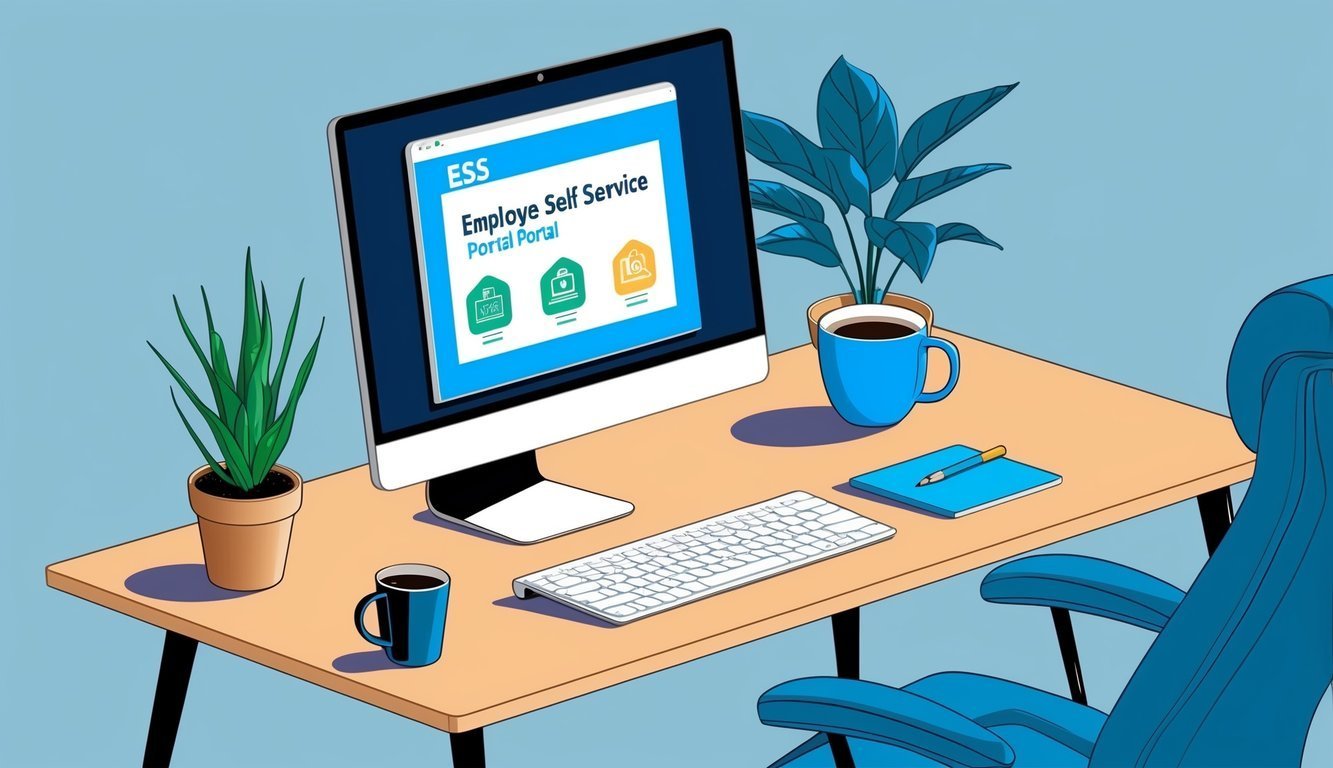
Employee Self Service Benefits: Enhancing HR Efficiency and Employee Satisfaction
Employee Self-Service (ESS) systems empower employees to manage HR tasks independently, improving efficiency, data accuracy, and employee engagement while minimizing administrative burdens for HR departments.

Should I Decline Tax Credit Screening? Understanding Its Impact on Your Employment Benefits
Tax credit screening assesses eligibility for the Work Opportunity Tax Credit (WOTC), benefiting employers financially by incentivizing the hiring of individuals from targeted groups.

What Bills Can You Pay with a Credit Card: Essential Insights for Office Expenses
Credit cards can be used for various bill payments, including utilities, insurance, and housing costs, but may incur fees or interest if not managed wisely.

Penalty for Contributing to Roth IRA Without Earned Income: Implications for Employment
Roth IRA eligibility requires earned income and Modified Adjusted Gross Income (MAGI) calculations, affecting contribution limits based on tax filing status and potential penalties for excess contributions.