
Navigating Compensation and Benefits

In Office Perks: Enhancing Employee Satisfaction and Productivity
Office perks enhance company culture and employee satisfaction by offering diverse benefits like health insurance, flexible work arrangements, wellness initiatives, and professional development opportunities.

Merit Increase Letter: Enhancing Employee Motivation and Retention
Merit increases reward employee performance with salary adjustments based on evaluations, enhancing motivation, retention, and organizational success through recognition of individual contributions and achievements.

Is California More Expensive Than New York: Cost of Living Impacts on Workplace Dynamics
Cost of living varies significantly between California and New York, with housing, transportation, and daily expenses impacting overall affordability and lifestyle choices.

Parental Leave Policy: Enhancing Workplace Dynamics and Employee Satisfaction
Parental leave policies include maternity, paternity, and family leave, varying by region and employer, with regulations affecting eligibility, duration, and compensation for employees.

Salary Cap Strategies for Fair Employee Compensation in the Workplace
The salary cap limits total player salaries for professional sports teams, promoting competitive balance and preventing wealthier franchises from dominating talent acquisition.
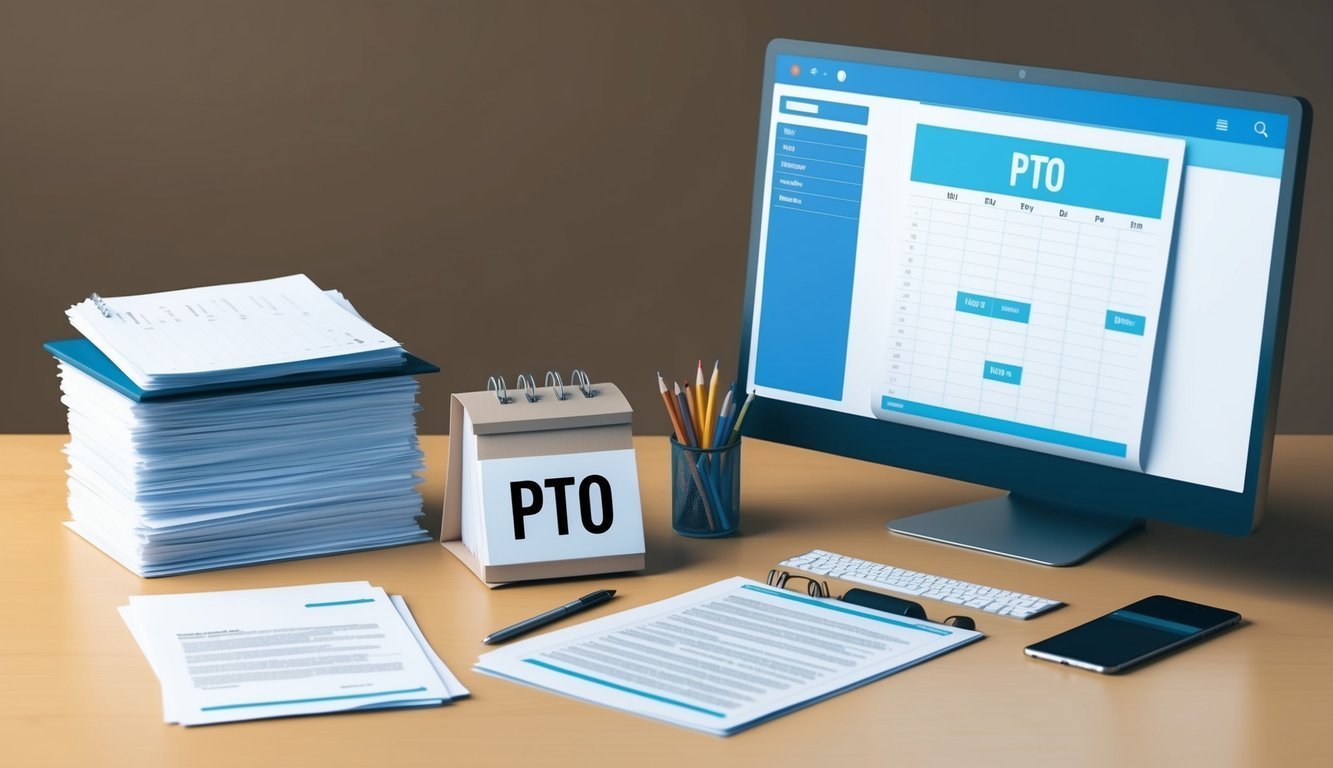
PTO Policy: Enhancing Employee Satisfaction in the Workplace
Paid Time Off (PTO) policies provide essential benefits such as vacation, sick leave, and parental leave, enhancing employee well-being and productivity while ensuring legal compliance.

Salary Increase Letter: A Guide to Requesting Fair Compensation at Work
Salary increases are influenced by performance reviews, market adjustments, tenure, and economic conditions, impacting financial well-being and job satisfaction for employees.