
Navigating Compensation and Benefits

Do Salaried Employees Get Paid for Leap Day? Understanding Compensation Policies
Leap years add February 29, impacting payroll processes. Salaried employees generally do not receive extra pay, while hourly workers may earn additional wages if scheduled.

Geographic Pay Differentials: Impact on Employment and HR Practices
Geographic pay differentials adjust salaries based on location, influenced by cost of living, labor market rates, and regional economic conditions to ensure fair compensation.

Compensation Philosophy: A Strategic Guide for HR in Modern Workplaces
A compensation philosophy defines principles guiding employee pay, ensuring fair, competitive structures that align with business objectives while attracting and retaining talent. Key elements include competitiveness, equity, and transparency.
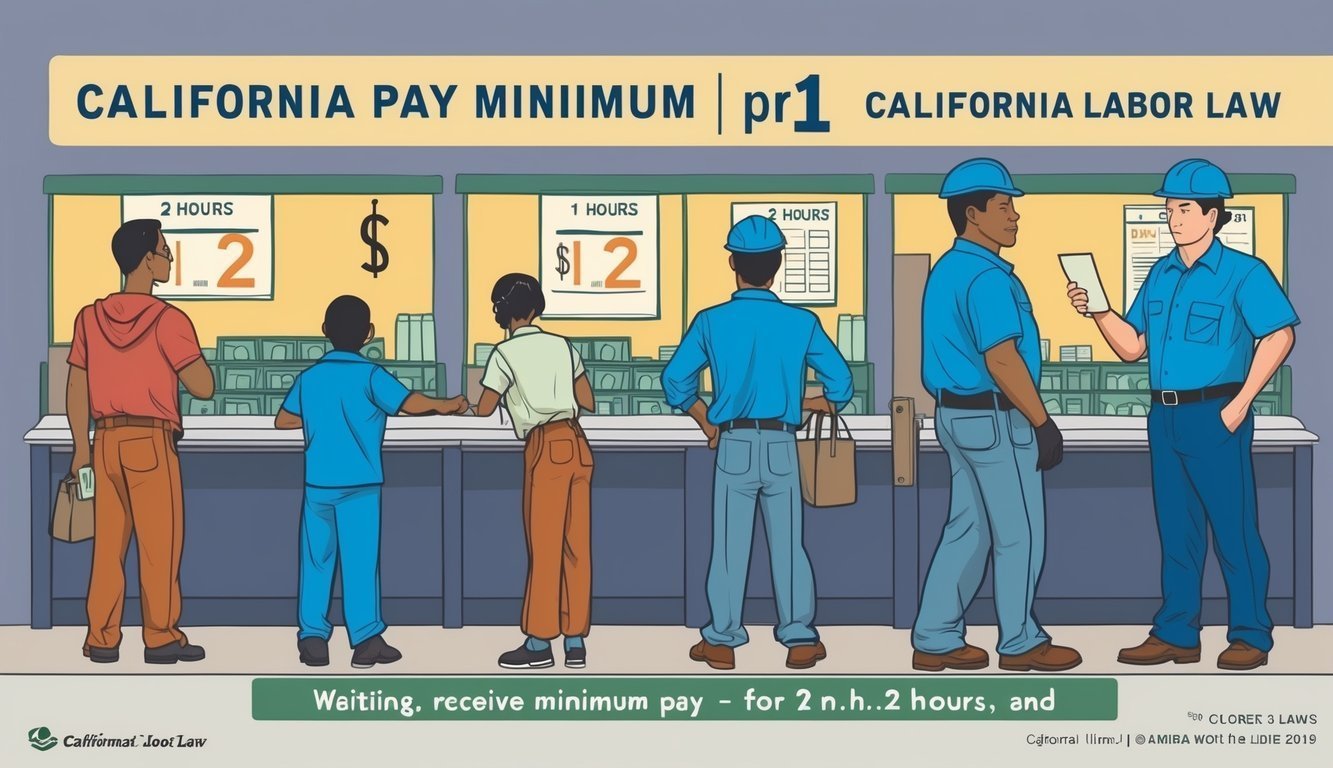
California Labor Law 2 Hour Minimum Pay: Ensuring Fair Workplace Compensation
California minimum wage laws mandate fair compensation for non-exempt employees, ensuring compliance with scheduled increases and protections against wage theft, including overtime and reporting time pay.

Pto Genius: Revolutionizing Office Productivity and Employee Satisfaction
PTO management enhances employee satisfaction, promotes financial wellness, ensures compliance with labor laws, and integrates seamlessly with HR tech systems for efficient absence handling.

Minimum Wage in California 2025: Impacts on Employment and HR Policies
California’s minimum wage will increase to $18 per hour in 2025, affecting various industries, necessitating adjustments in payroll systems, HR policies, and business operations.

Salary Non Exempt: Understanding Overtime and Worker Rights in the Workplace
Non-exempt employees are entitled to minimum wage and overtime pay under the Fair Labor Standards Act, distinguishing them from exempt employees who do not receive overtime compensation.