Navigating Compensation and Benefits
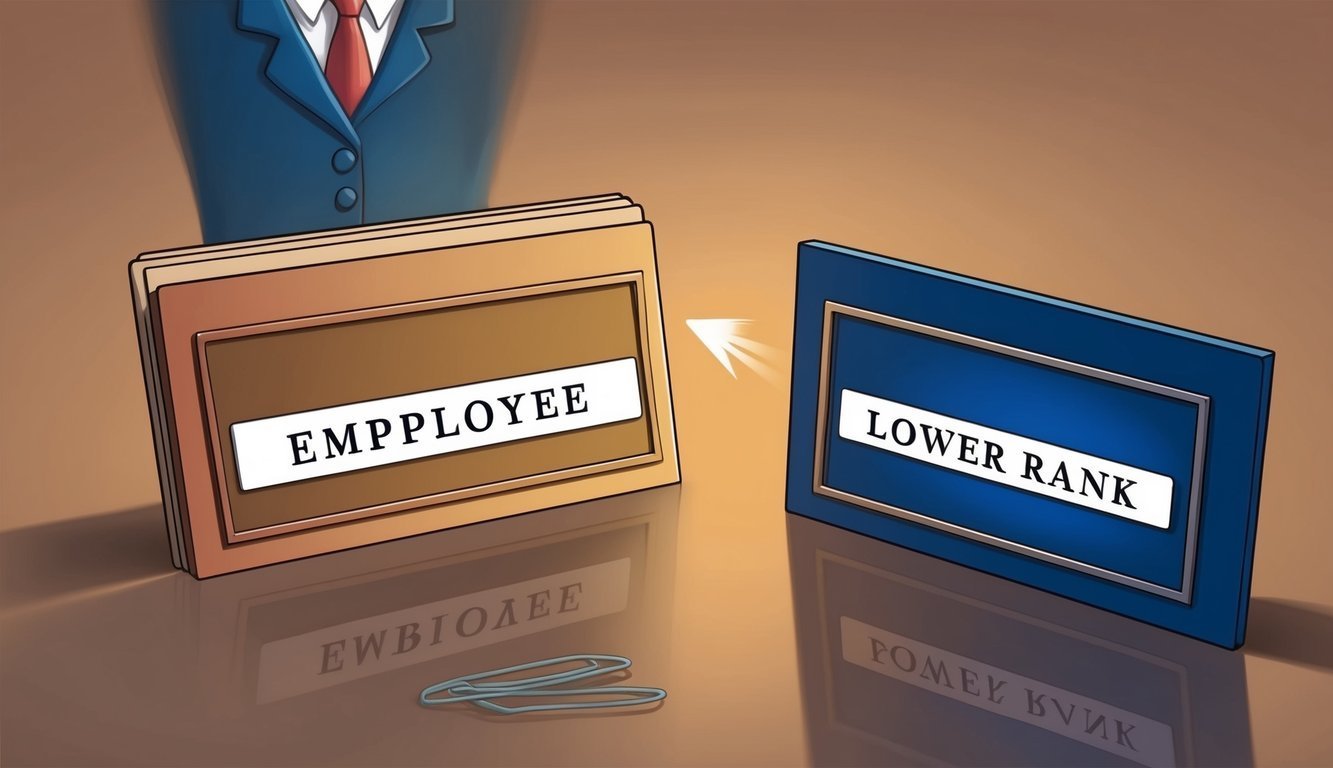
If You Get Demoted Does Your Pay Decrease: Understanding Employment Impacts
Demotion in the workplace results in a lower rank, potentially reduced responsibilities, and possible salary adjustments based on company policy and employment agreements.

Employee Education Assistance Program: Enhancing Workplace Skills
Employee education assistance programs provide tax-free financial support for educational expenses, enhancing employee skills, job satisfaction, and retention while benefiting employers through tax deductions.

Employee Rewards and Recognition: Boosting Workplace Engagement
Employee recognition enhances engagement, morale, and productivity, fostering a positive company culture and reducing turnover rates through effective acknowledgment of individual contributions and achievements.

Merit Increase Policy Best Practices: Guide to Effective Implementation
Merit increase policies enhance employee motivation and retention through objective performance metrics, transparent criteria, and regular audits to ensure pay equity and fairness.

Benefits Enrollment: Streamlining Employee Onboarding Processes
Benefits enrollment allows employees to select health, dental, and vision insurance options, impacting their financial health and overall job satisfaction for the upcoming year.

Bonus Structure Template: Optimizing Employee Incentives and Satisfaction
Creating an effective bonus structure requires alignment with company goals, clear eligibility criteria, measurable performance metrics, and transparent communication to motivate employees and enhance retention.

Employee Recognition Form: Enhancing Workplace Motivation
Employee recognition programs acknowledge and reward employees’ contributions, boosting motivation, job satisfaction, retention rates, and fostering a positive workplace culture that enhances overall productivity.