
Understanding HR Policies and Compliance
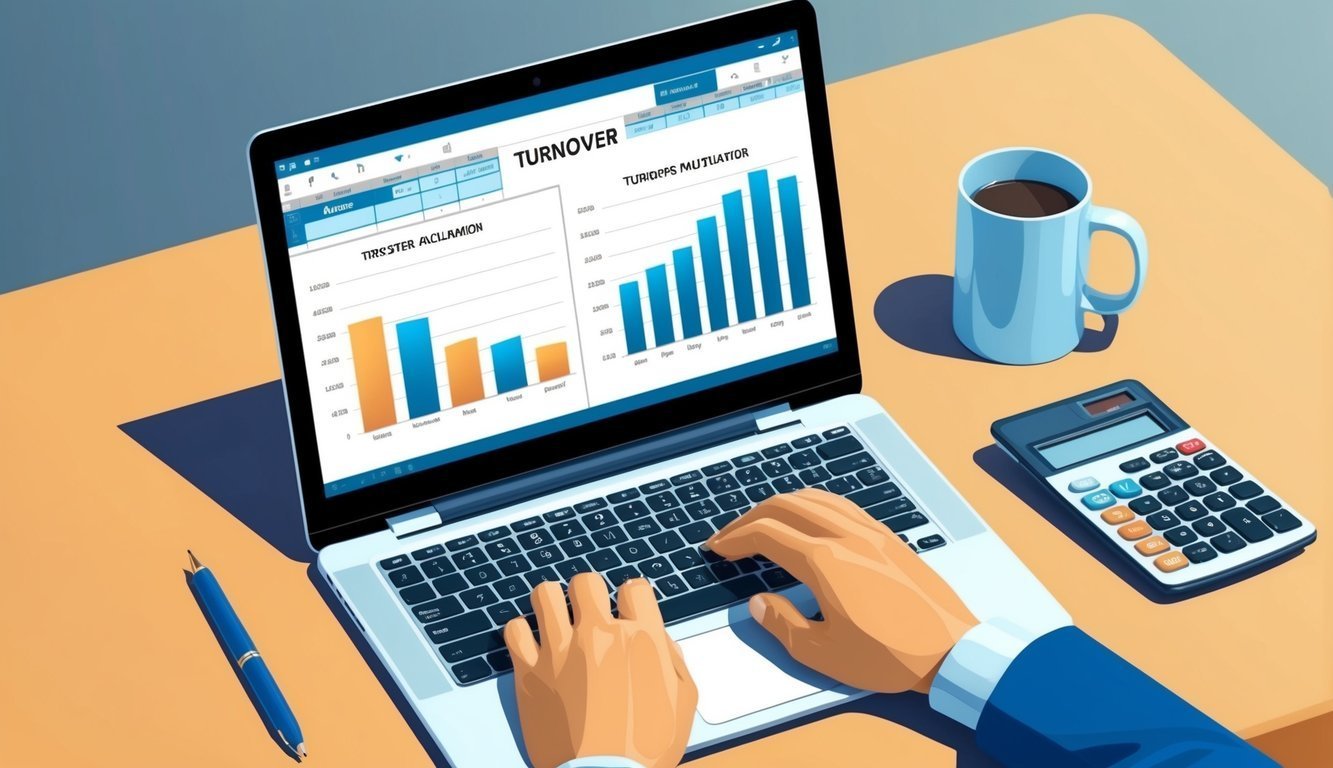
Turnover Calculation Spreadsheet: A Essential Tool for HR Management
Employee turnover measures the percentage of employees who leave an organization within a specific timeframe, highlighting trends that affect workplace productivity and morale.
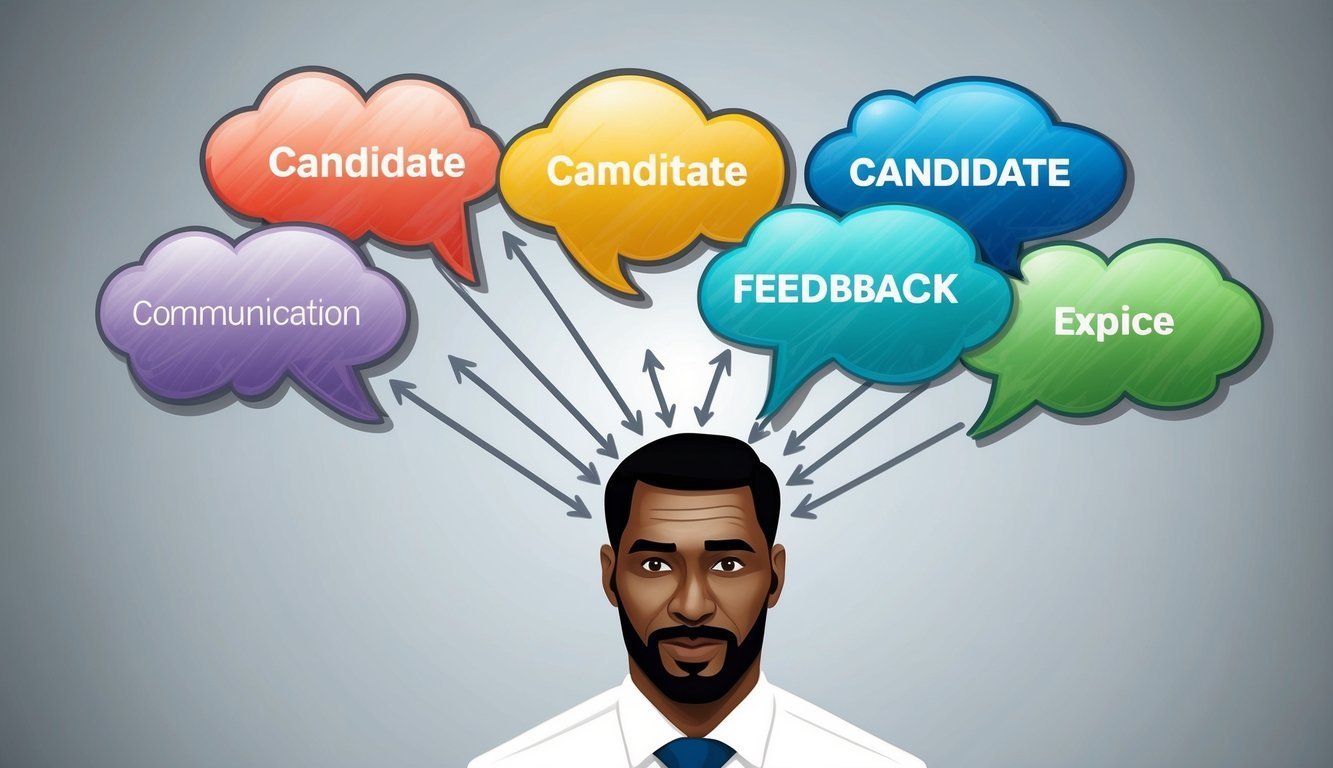
Candidate Experience: Elevating Recruitment and Retention Strategies
Candidate experience encompasses job seekers’ perceptions and interactions during recruitment, significantly influencing employer reputation, talent attraction, and employee retention through effective communication and streamlined processes.

Workers Comp for Temporary Employees: Essential Guide for HR and Safety Compliance
Temporary employees are entitled to workers’ compensation benefits if injured during work-related duties, despite differences in job security and benefits compared to permanent employees.

HR People Analytics: Enhancing Workforce Efficiency
People analytics transforms workforce management through data-driven insights, improving decision-making, enhancing employee experience, and aligning talent strategies with organizational goals for better business outcomes.

What Happens to Employees When a Company Files Chapter 11: Understanding the Impact on Workforce and Employment Security
Chapter 11 bankruptcy allows companies to reorganize debts while protecting them from creditors, impacting job security, benefits, and corporate structure during the process.

How to Get FMLA for Mental Health: A Guide for Employees
The Family and Medical Leave Act (FMLA) allows eligible employees to take up to 12 weeks of unpaid leave for serious health conditions, including mental health issues.
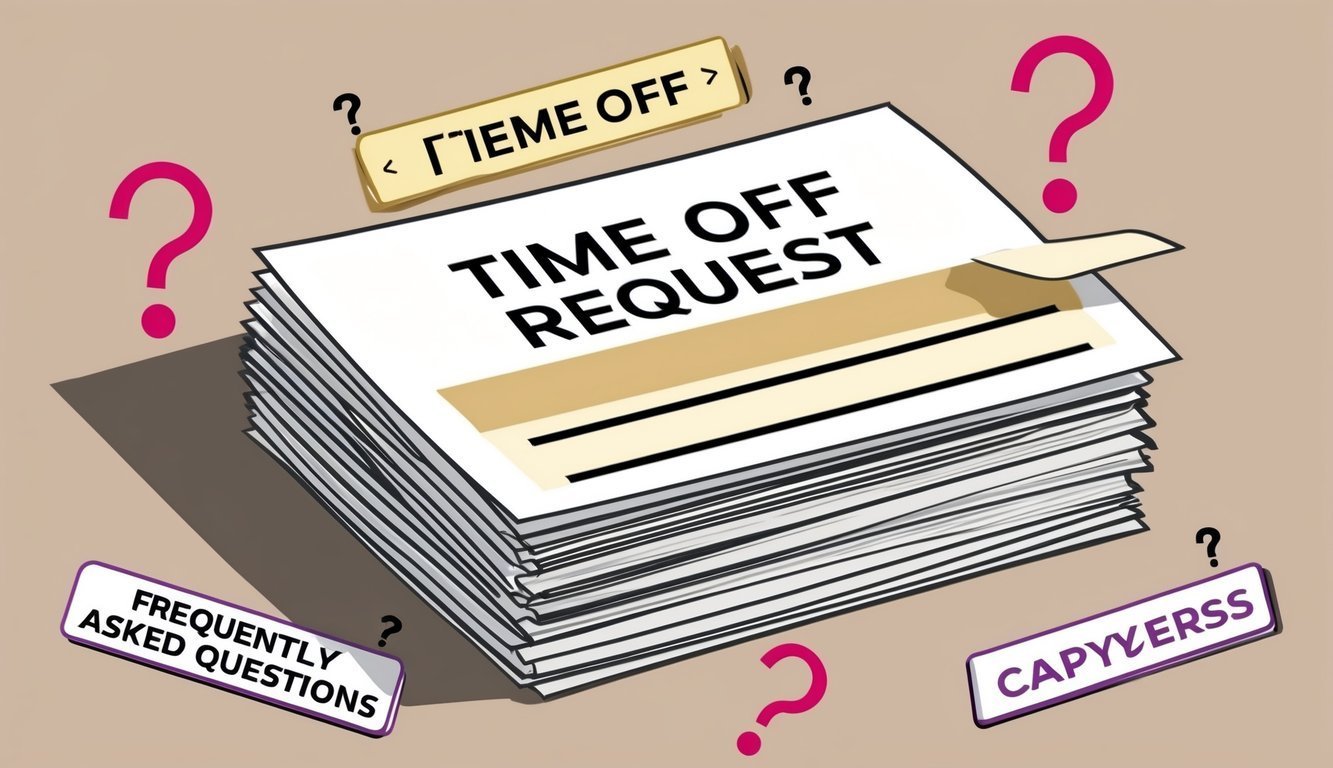
Time Off Request Form: Streamlining HR Processes for Employee Leave Management
Employees can request various types of leave, including vacation, sick days, and bereavement, following specific company policies and procedures for approval and documentation.