
Understanding HR Policies and Compliance
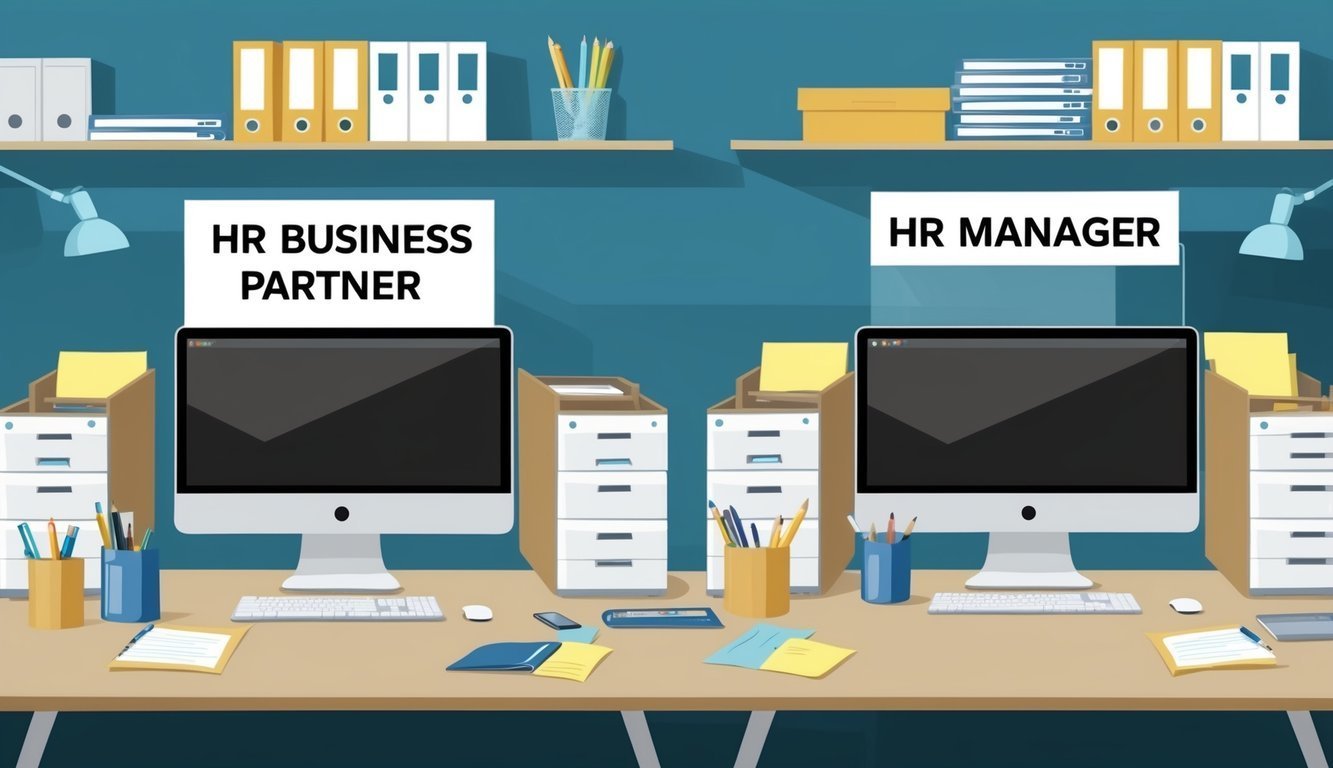
HR Business Partner vs HR Manager: Key Differences in Roles and Responsibilities
HR Business Partners align HR strategies with business objectives, while HR Managers focus on day-to-day operations, including employee relations and compliance with labor laws.

Exit Interview Questions: Enhancing Employee Retention Strategies
Preparing for exit interviews involves structured processes, confidentiality, effective questioning, and analysis to enhance employee retention and improve workplace culture and dynamics.

Mandatory Training for Employees: Enhancing Workplace Efficiency
Mandatory employee training ensures workplace safety, compliance with legal standards, and employee preparedness across topics like health protocols, ethics, harassment prevention, and performance development.

How to Fire Someone for Poor Performance: A Guide for HR Professionals
Identifying poor performance involves evaluating employee output against expectations, ensuring compliance with employment laws, and considering impacts on team morale and productivity.

Workplace Violence Prevention Plan California: Essential Strategies for Safe Work Environments
Workplace violence hazards range from threats to physical attacks, necessitating effective prevention strategies including risk assessments, employee training, and incident reporting procedures for safety compliance.

Attendance Policy: Enhancing Workforce Efficiency and Compliance
An effective attendance policy ensures productivity by distinguishing between excused and unexcused absences, promoting accountability, and complying with federal laws like ADA and FMLA.

HR Documentation Best Practices: Streamlining Office Efficiency
Effective HR documentation ensures legal compliance, clear company policies, and secure management of employee data, enhancing recruitment, performance evaluation, and onboarding processes. Regular updates are essential.