Understanding HR Policies and Compliance

Personal Day Off Reasons: Navigating Workplace Norms
Personal days are crucial for work-life balance, allowing employees to manage health, family emergencies, and mental well-being without disclosing specific reasons to employers.

HR Generalist Job Description: Key Responsibilities and Skills Required
An HR generalist manages recruitment, employee development, compliance, payroll, and benefits administration, while fostering a positive work environment and maintaining legal compliance.

What is a Form 5500: Understanding Its Role in Employee Benefit Plan Compliance
Form 5500 is a mandatory reporting tool for employee benefit plans, ensuring compliance with ERISA and providing transparency regarding plan operations and financial conditions.

Employee Photo Release Form: A Guide for HR Professionals
An employee photo release form secures consent for using an employee’s image, voice, or likeness, outlining intended use, duration, and limitations to protect both parties.

HR Essentials: Key Strategies for Effective Office Management
Human resource management focuses on strategic planning, recruitment, employee engagement, compliance, and performance management to align workforce capabilities with organizational goals and ensure legal adherence.

Onboarding Meeting: Streamlining New Employee Integration
Effective onboarding integrates new employees into company culture, enhances retention, and provides necessary tools and knowledge for productivity through structured agendas and ongoing support systems.
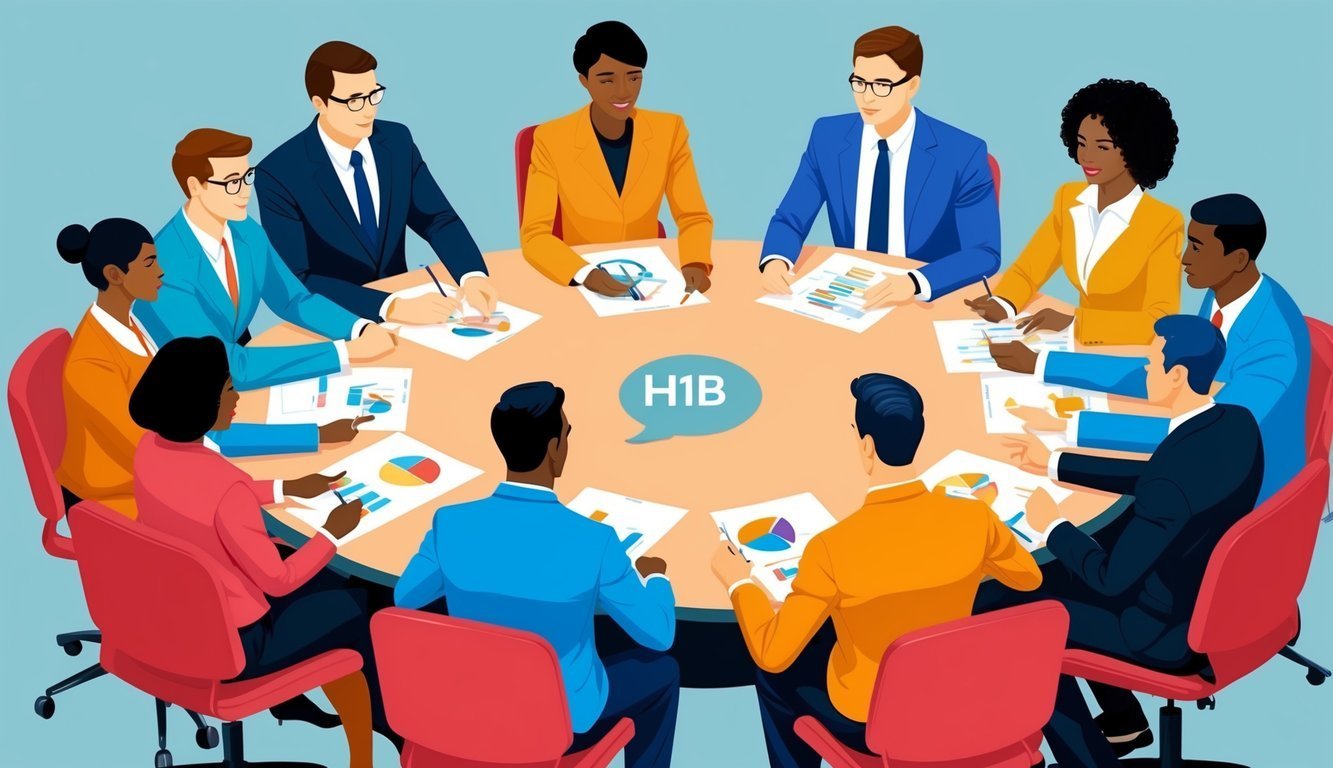
H1B Sponsorship: Navigating Employment Opportunities in Office Life
H-1B visas enable U.S. employers to hire skilled foreign professionals in specialty occupations, requiring employer sponsorship and compliance with regulations set by USCIS and DOL.