
Navigating Compensation and Benefits
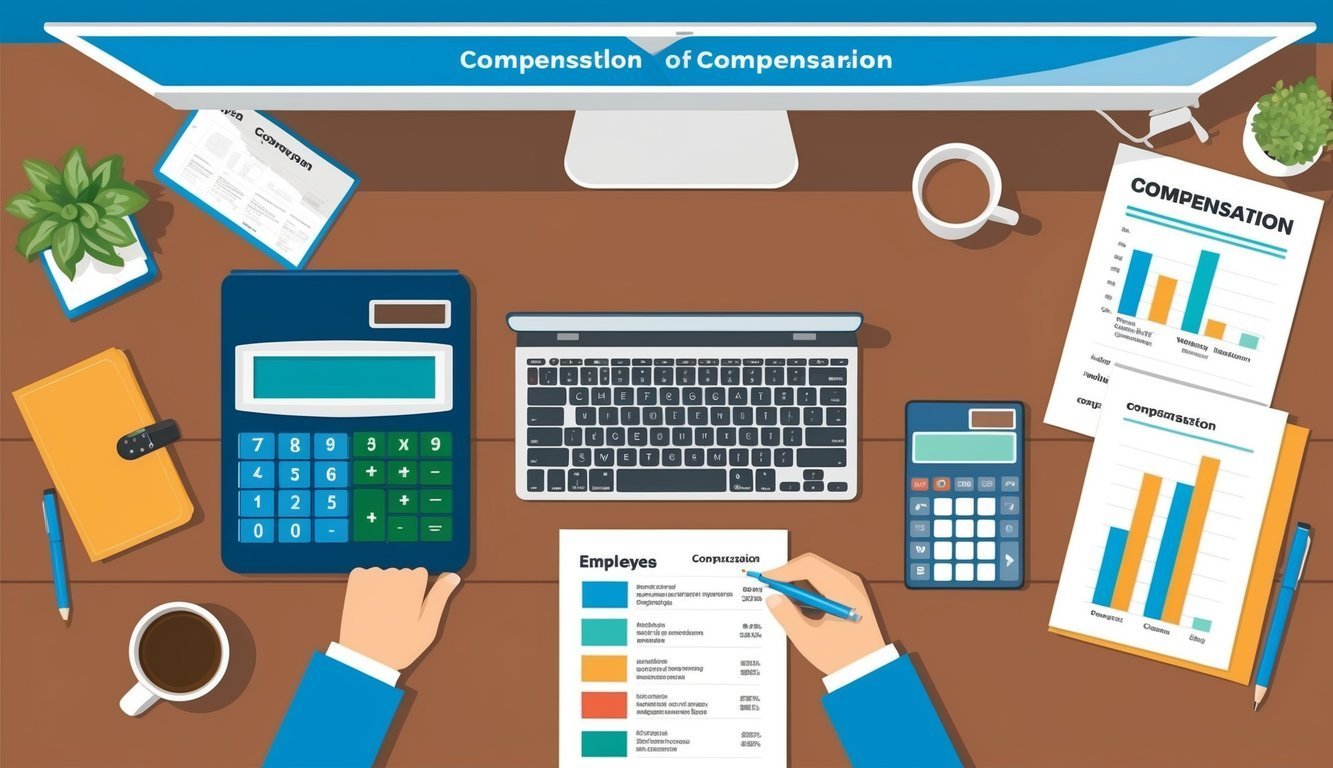
Total Compensation Statement Template: A Comprehensive Guide for HR Professionals
Total compensation includes base salary, bonuses, stock options, and benefits like health insurance and retirement plans, influencing employee engagement and retention rates.

Employee Benefits Trends: Shaping the Future of Workplace Advantage
Employee benefits are evolving with a focus on flexibility, wellness programs, financial support, and diversity to enhance employee satisfaction and retention amid economic challenges.

Free Financial Literacy Course for Adults: Enhance Workplace Skills
Financial literacy encompasses skills and knowledge for effective financial decision-making, covering personal finance management, goal setting, budgeting, saving, investing, and planning for retirement.

How Are Employer Contributions to Health Reimbursement Accounts Treated in Regards to Taxation for Employees?
Employer contributions to Health Reimbursement Arrangements (HRAs) are tax-exempt for employees and deductible for employers, enhancing health benefits while reducing overall tax liabilities.

Should I Decline Tax Credit Screening? Understanding Its Impact on Your Employment Benefits
Tax credit screening assesses eligibility for the Work Opportunity Tax Credit (WOTC), benefiting employers financially by incentivizing the hiring of individuals from targeted groups.

Balance Sheet Analysis: Enhancing HR Financial Strategies
A balance sheet provides a financial snapshot, detailing assets, liabilities, and equity to assess a company’s stability, operational efficiency, liquidity, and investment potential.

What States Require Overtime Pay After 8 Hours: Understanding Labor Laws for Employees
Overtime laws under the Fair Labor Standards Act require nonexempt employees to receive 1.5 times their pay for hours worked over 40 in a week.