
Navigating Compensation and Benefits
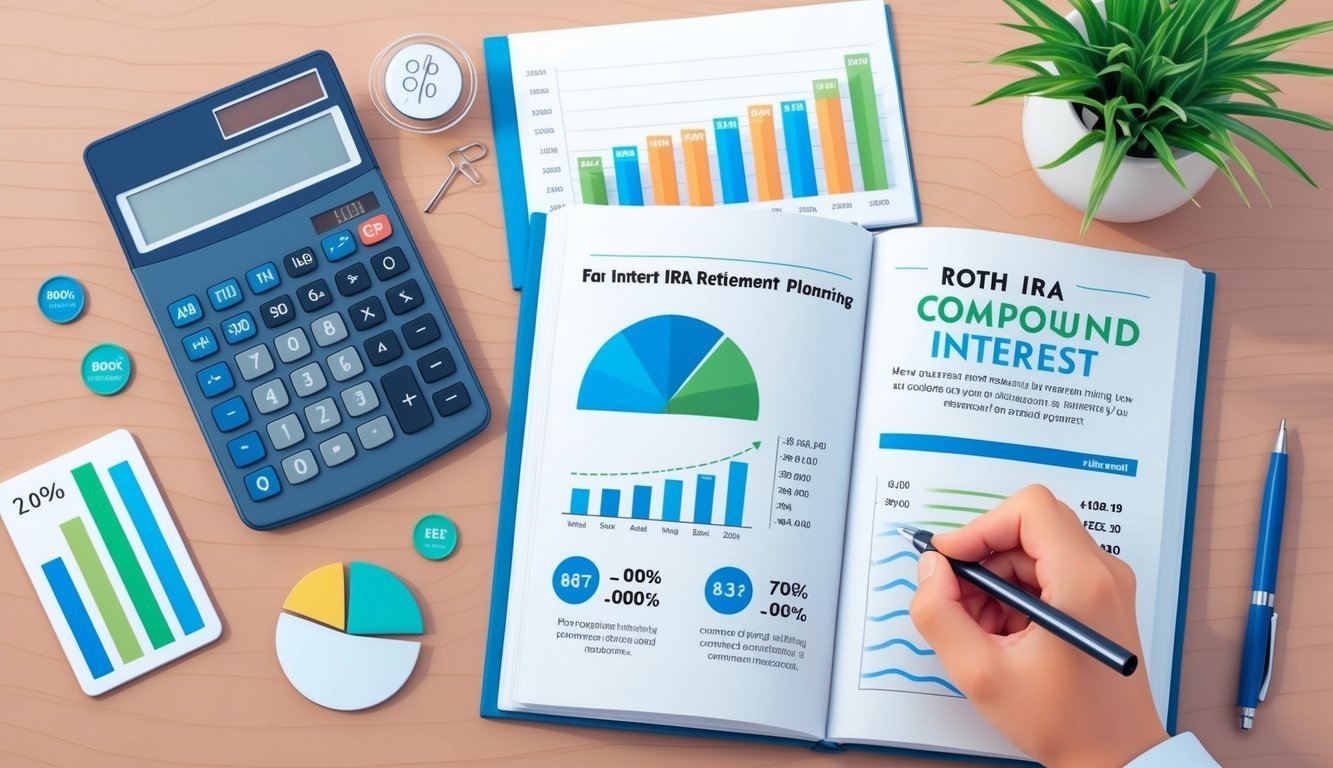
Roth IRA Compound Interest: Maximizing Your Retirement Savings Through Workplace Plans
A Roth IRA allows after-tax contributions for tax-free growth and withdrawals, offering flexibility and significant advantages for retirement savings through compound interest and diversified investments.

Compensation Policy Sample: A Guide for HR Professionals
Creating a robust compensation policy framework requires balancing fairness, compliance, and competitive pay structures to enhance employee satisfaction and organizational success.

Salary Cap Strategies for Fair Employee Compensation in the Workplace
The salary cap limits total player salaries for professional sports teams, promoting competitive balance and preventing wealthier franchises from dominating talent acquisition.

PTO Payout: Navigating Employee Benefits and Compensation
PTO payouts provide compensation for unused leave time, governed by company policies and state laws, impacting employee benefits and financial planning upon termination or resignation.
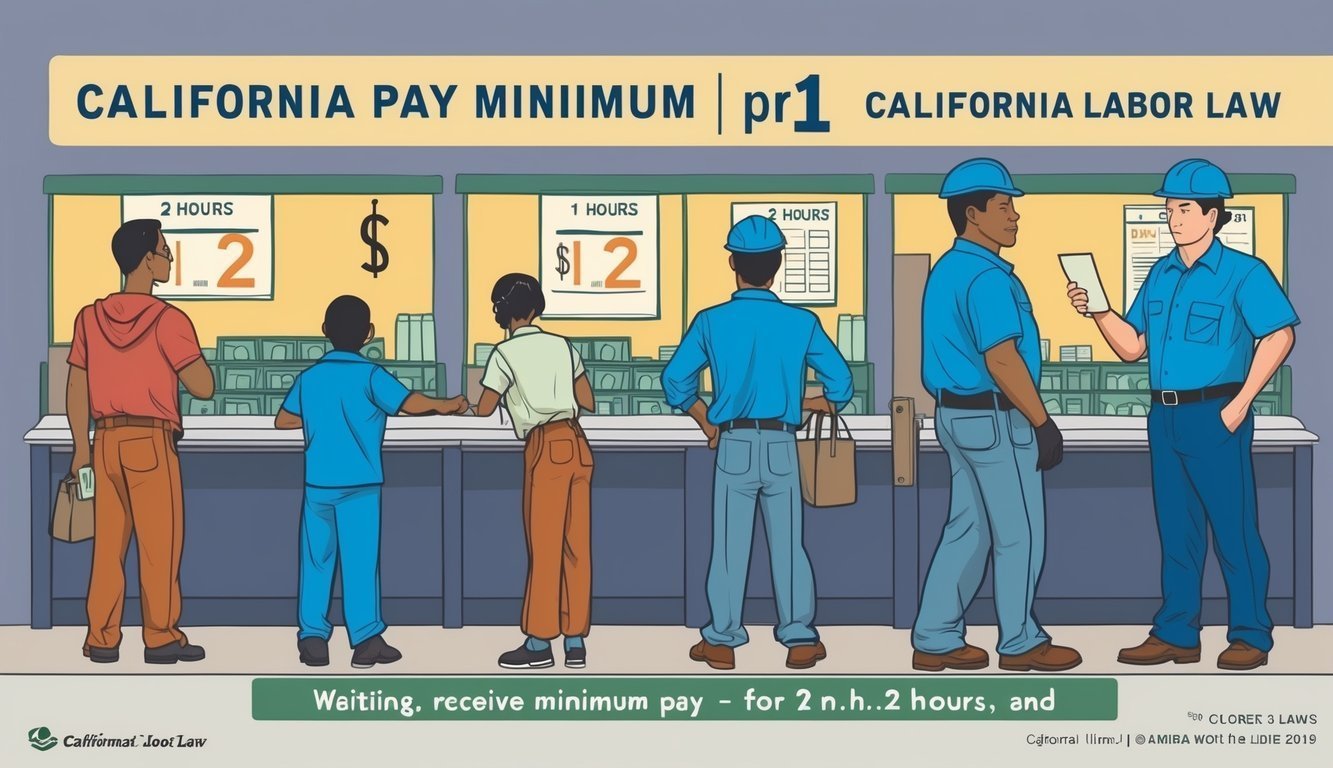
California Labor Law 2 Hour Minimum Pay: Ensuring Fair Workplace Compensation
California minimum wage laws mandate fair compensation for non-exempt employees, ensuring compliance with scheduled increases and protections against wage theft, including overtime and reporting time pay.

Geographic Differential: Influencing Workplace Compensation Trends
Geographic pay differentials adjust salaries based on location, influenced by labor costs, cost of living, and market demand, ensuring competitive and equitable compensation across regions.

Better Compensation: Enhancing Employee Satisfaction and Retention
Compensation includes direct pay, indirect benefits, and non-monetary perks, all essential for employee motivation, retention, and alignment with organizational goals.