
Navigating Compensation and Benefits
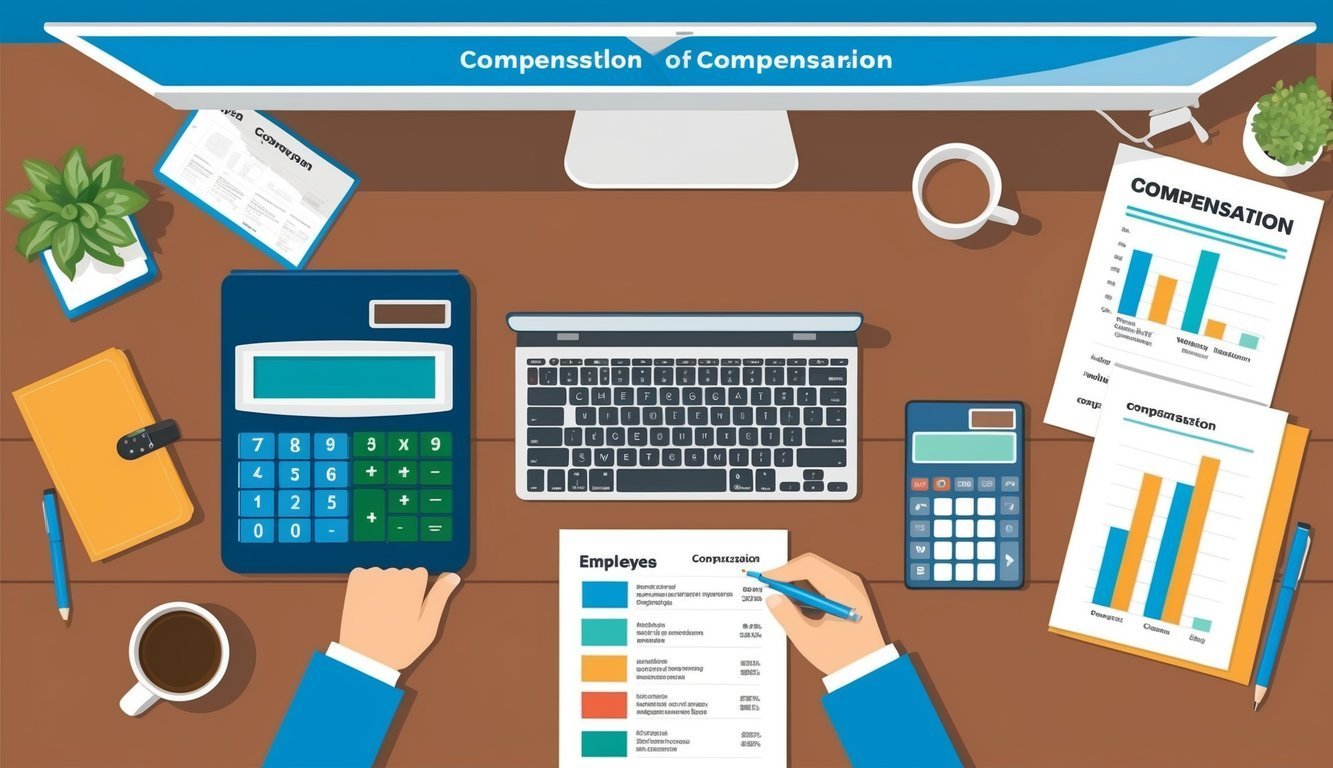
Total Compensation Statement Template: A Comprehensive Guide for HR Professionals
Total compensation includes base salary, bonuses, stock options, and benefits like health insurance and retirement plans, influencing employee engagement and retention rates.

Should You Always Negotiate Salary? Understanding the Impact on Your Career
Salary negotiation is vital for maximizing compensation, advocating for personal worth, and enhancing job satisfaction, requiring market value awareness and effective negotiation strategies.

Minimum Exempt Salary California 2025: Key Changes for Employers
California’s minimum salary requirements adjust annually based on the Consumer Price Index and state minimum wage, impacting exempt employee compensation and local wage variations.

Resignation in Lieu of Termination Meaning: What Employees Should Know
Resignation in lieu of termination allows employees to quit voluntarily to avoid a negative termination record, impacting unemployment benefits and future job prospects significantly.

State Labor Law Compliance Checklist: Essential Steps for Employers
Staying compliant with labor laws requires familiarity with hiring, payroll, wage payments, benefits, and recordkeeping to avoid costly violations and protect employees.

Employee Benefits Survey: Insights into Workplace Satisfaction
Employee benefits enhance job satisfaction and retention, offering health insurance, retirement plans, and flexible work options to meet diverse employee needs and expectations.

Total Rewards Strategy: Enhancing Employee Engagement and Retention in the Workplace
A comprehensive rewards strategy includes compensation, benefits, recognition, and career development, aligning with business goals to enhance employee engagement, retention, and overall satisfaction.