
Navigating Compensation and Benefits

Salary Exempt vs Non Exempt: Understanding Compensation and Labor Laws in the Workplace
Employee classifications under the Fair Labor Standards Act (FLSA) determine eligibility for overtime pay and minimum wage protections, distinguishing between exempt and non-exempt statuses.

Employee Rewards and Recognition: Boosting Workplace Engagement
Employee recognition enhances engagement, morale, and productivity, fostering a positive company culture and reducing turnover rates through effective acknowledgment of individual contributions and achievements.
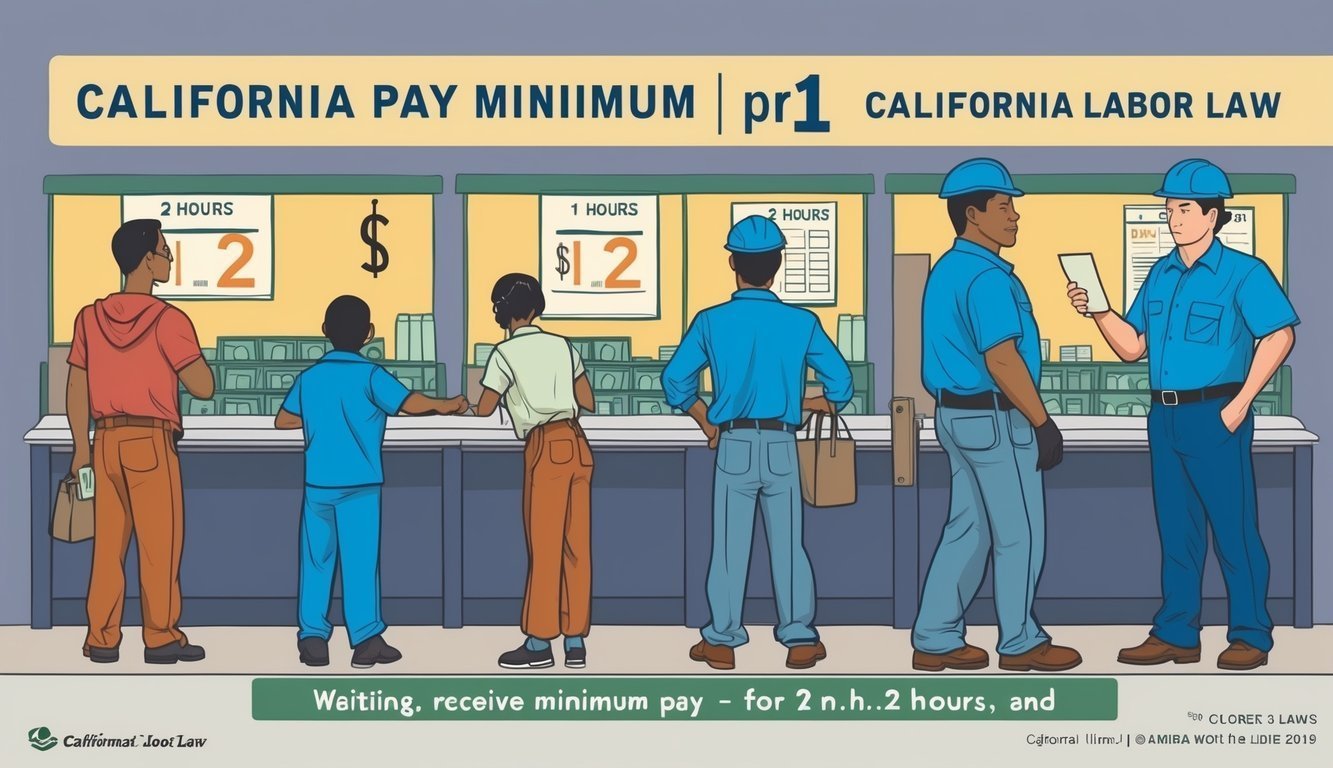
California Labor Law 2 Hour Minimum Pay: Ensuring Fair Workplace Compensation
California minimum wage laws mandate fair compensation for non-exempt employees, ensuring compliance with scheduled increases and protections against wage theft, including overtime and reporting time pay.
Total Compensation Statement Template: A Comprehensive Guide for HR Professionals
Total compensation includes base salary, bonuses, stock options, and benefits like health insurance and retirement plans, influencing employee engagement and retention rates.

How to Negotiate Salary: Effective Strategies for Office Professionals
Effective salary negotiation requires market research, understanding personal value, and strategic preparation to advocate for competitive compensation, including salary, benefits, and professional development opportunities.

How to Ask for a Raise via Email: Professional Tips for Office Success
Preparing for a salary increase involves showcasing achievements, conducting market research, and crafting a professional email to present your case effectively to management.

Should You Always Negotiate Salary? Understanding the Impact on Your Career
Salary negotiation is vital for maximizing compensation, advocating for personal worth, and enhancing job satisfaction, requiring market value awareness and effective negotiation strategies.