
Understanding HR Policies and Compliance

Employee Handbook Acknowledgement: Essential Guide for HR Compliance
Understanding the employment relationship, including at-will employment and structured agreements, is vital for defining employee rights and responsibilities in the workplace.
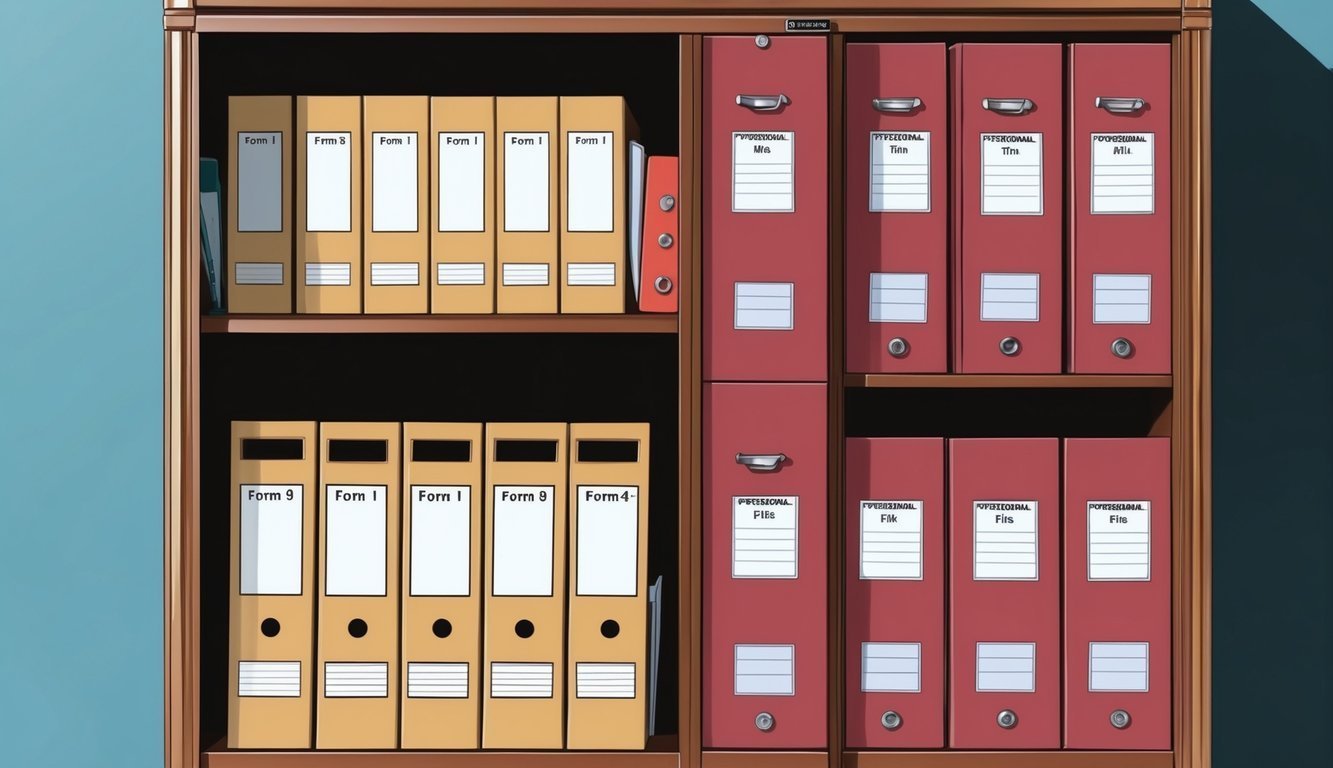
Do I-9 Forms Need to Be Kept Separate from Personnel Files? HR Best Practices Explained
Form I-9 compliance requires accurate employment eligibility verification, proper retention for one year post-termination or three years from hire, and readiness for inspections by authorities.
Employee Handbook Acknowledgement: Essential Guide for HR Compliance
Understanding the employment relationship, including at-will employment and structured agreements, is vital for defining employee rights and responsibilities in the workplace.

On-call Policy for Hourly Employees: Ensuring Fair Work Practices
On-call time under the FLSA requires compensation based on employee restrictions. Distinctions between engaged to wait and waiting to engage affect pay calculations.

Company Vehicle Policy: Enhancing Workplace Efficiency and Compliance
Eligibility for company vehicles requires a valid driver’s license, clean driving record, and specific job roles. Vehicle assignments depend on job necessity and company policies.

Peer to Supervisor Training: Enhancing Workplace Leadership
Peer support and training enhance workplace collaboration, empower employees, and develop leadership skills, crucial for effective supervision and fostering supportive environments in behavioral health settings.

Future of HR: Transforming Work and Employment Dynamics
HR operating models are shifting toward agile delivery, advanced technology integration, and data analytics, enhancing flexibility, efficiency, and employee engagement in modern workplaces.