
Understanding HR Policies and Compliance
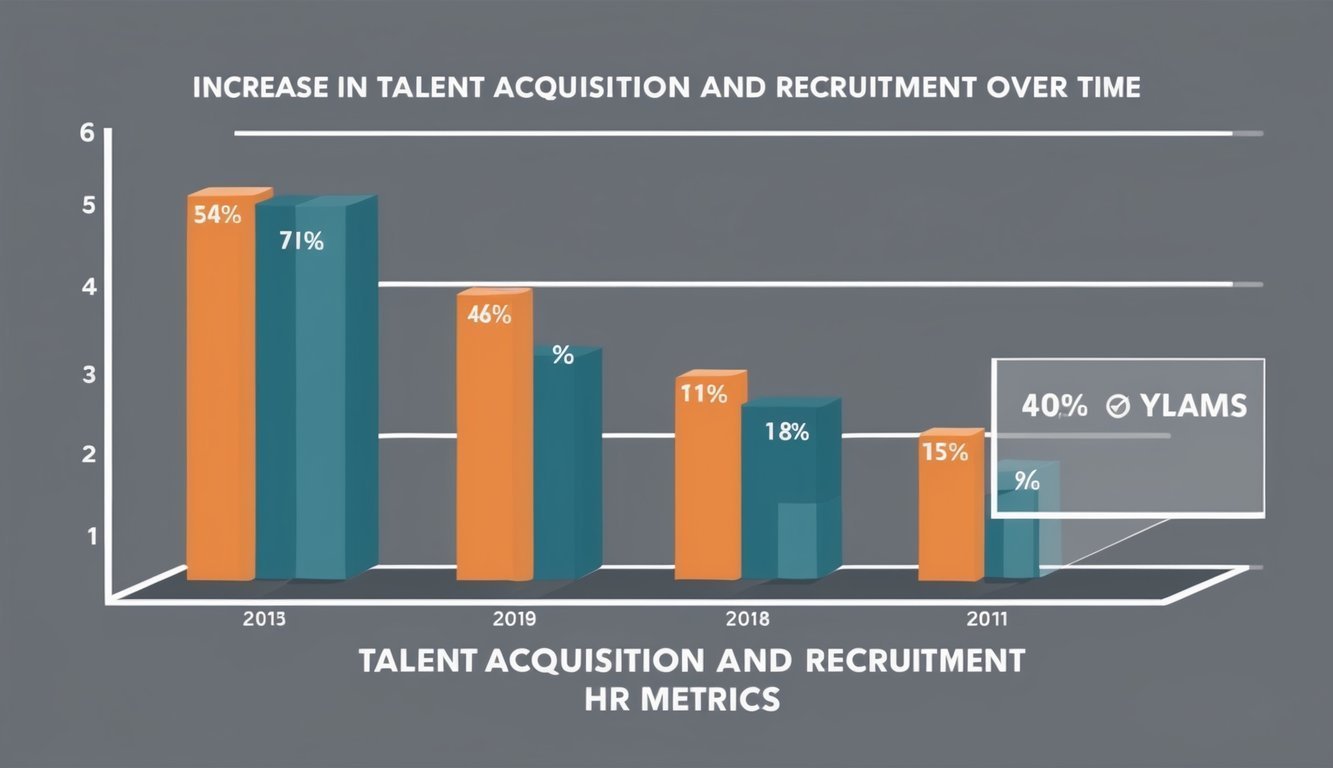
HR Metrics: Enhancing Workforce Efficiency Through Data Analysis
Understanding HR metrics enhances organizational performance by providing insights into employee productivity, engagement, retention, recruitment efficiency, and overall workforce satisfaction, driving informed decision-making.

Recruiting Gen Z: Strategies for Modern Workforce Integration
Generation Z values purpose-driven careers, work-life balance, mental health support, diversity, and flexible work arrangements, prioritizing companies aligned with their ethical beliefs and social responsibility.

HR Toolkit: Essential Tools for Streamlining Office Management
An HR toolkit includes recruitment tools, onboarding resources, performance management systems, employee engagement tools, and compliance resources, enhancing efficiency in human resource management.

FMLA Exhausted While on Workers’ Comp: Navigating Employment Challenges
Understanding FMLA and workers’ compensation involves recognizing job-protected leave, eligibility criteria, and the interplay between financial support for work-related injuries and health-related leave.
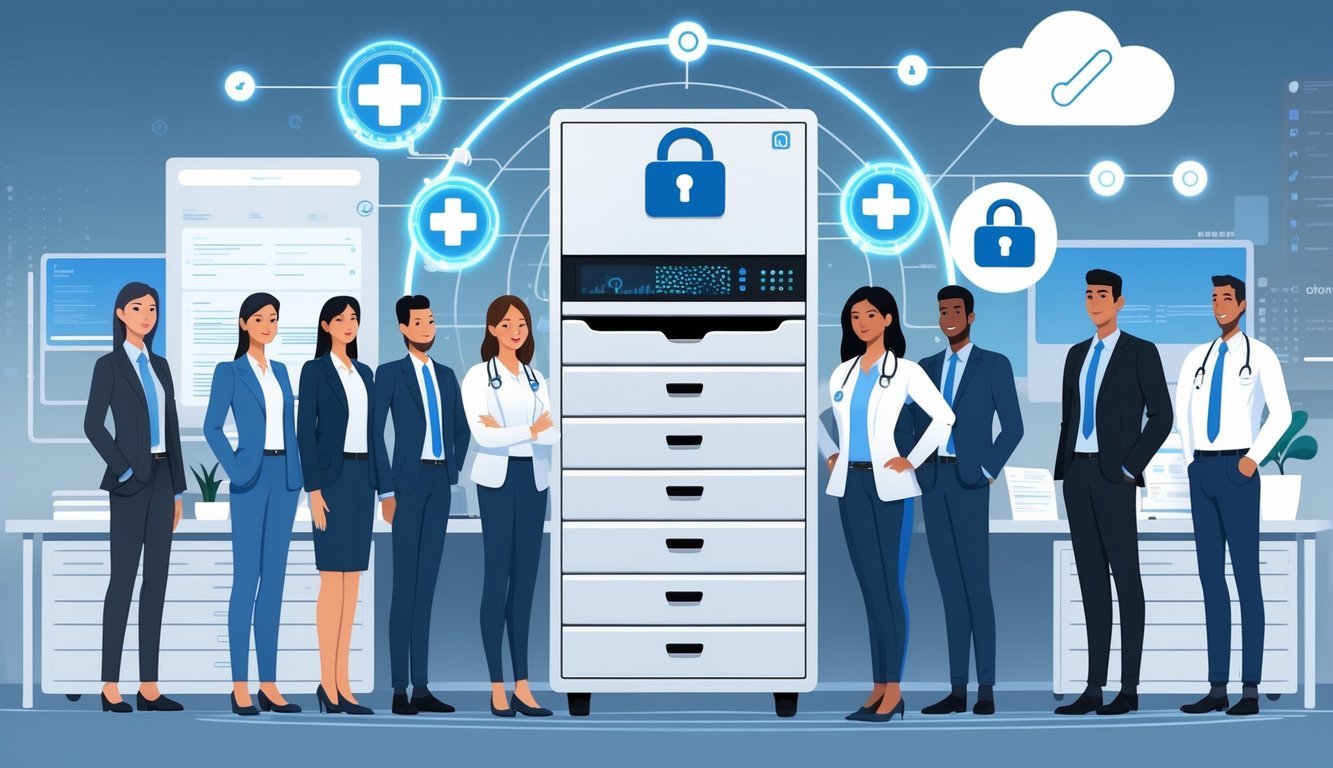
How to Store Employee Medical Information Securely: Essential Steps & Best Practices
Protecting employee medical information requires strict legal compliance, encryption, access controls, and regular staff training to prevent data breaches and maintain trust.

HR Finance: Navigating Budgeting in Modern Workplaces
Integrating human resources and finance enhances organizational decision-making by aligning workforce strategies with financial planning, optimizing budgeting, and improving talent development investments for better productivity.

Performance Appraisal Methods: Enhancing Workplace Efficiency
Performance appraisal methods evaluate employee contributions, enhance development, and inform HR decisions through techniques like 360-degree feedback, Management by Objectives, and Behavioral Anchored Rating Scales.