Understanding HR Policies and Compliance

Union Authorization Cards: Essential Steps for Employee Organizing
Union authorization cards allow employees to support union representation and initiate collective bargaining, governed by the National Labor Relations Act and overseen by the National Labor Relations Board.

Split Shift California: Navigating Work Schedules and Employee Well-Being
California’s split shift regulations mandate fair compensation for non-continuous work hours, requiring employers to provide a split shift premium and adhere to labor standards.

HR Digital Transformation: Revolutionizing Workplace Efficiency
HR digital transformation enhances operational efficiency through automation, data analytics, and user-friendly platforms, fostering strategic decision-making and improving employee engagement in modern workplaces.

What is Talent Acquisition: Understanding Its Role in Modern HR Practices
Talent acquisition is a strategic process for identifying, attracting, and onboarding skilled individuals, aligning hiring efforts with organizational goals to ensure long-term success.
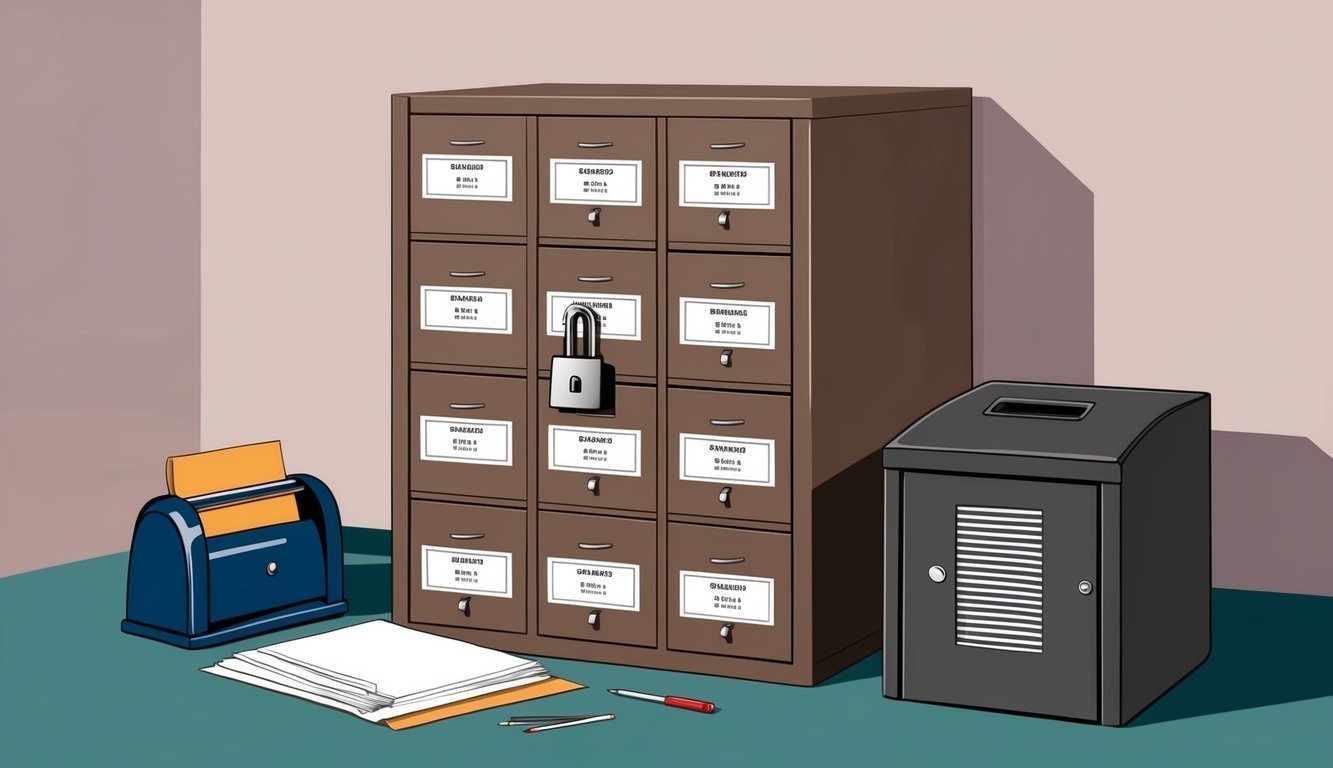
Document Retention Schedule: Best Practices for HR Compliance
Document retention schedules are essential for managing records, ensuring legal compliance, reducing risks, and optimizing operational efficiency by defining how long documents must be kept.

HR Advice: Essential Tips for Effective Workplace Communication
Human Resources manages employee relations, recruitment, compliance, and strategic workforce alignment, emphasizing talent management, employee engagement, and the importance of strong leadership in fostering organizational culture.

Sourcing Recruitment: Best Practices for Effective Talent Acquisition
Effective recruitment requires a systematic approach to attract and select qualified candidates, emphasizing clear job requirements, diverse sourcing methods, and a strong employer brand.