
Understanding HR Policies and Compliance
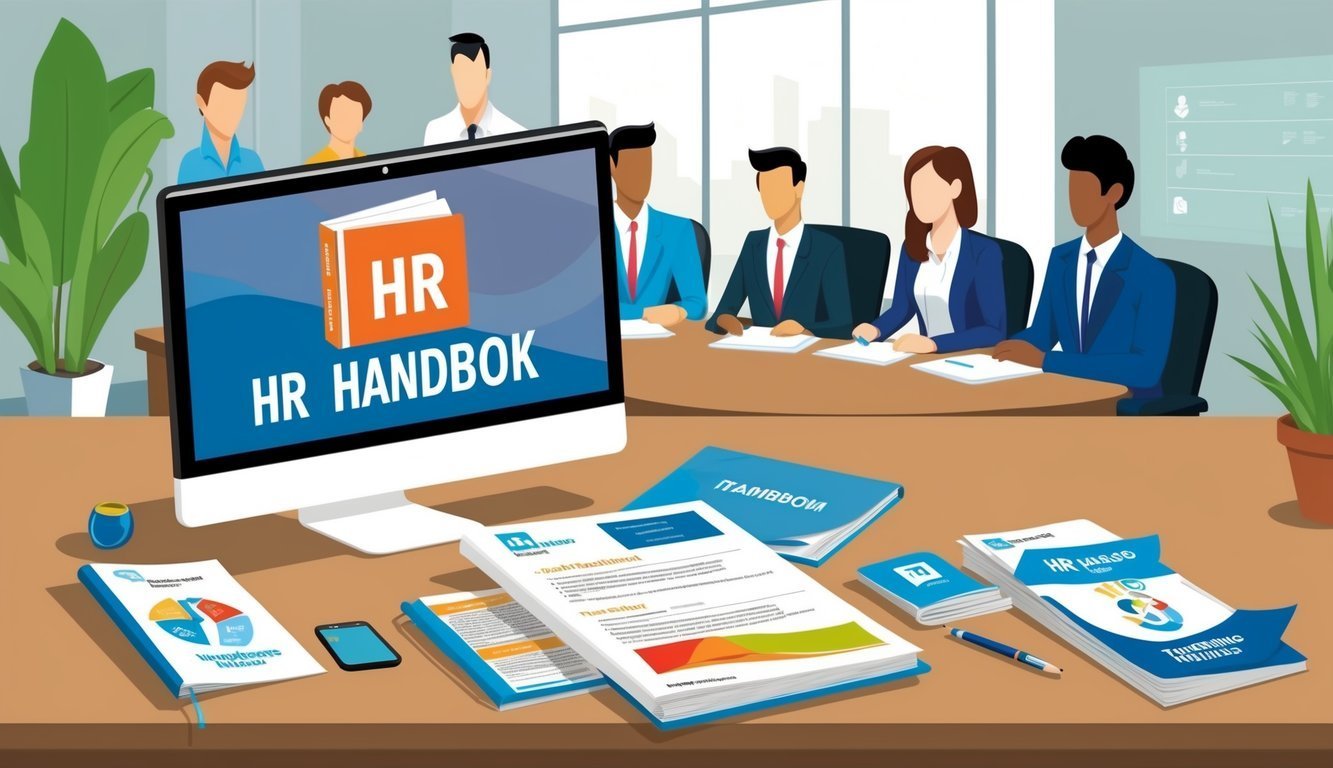
HR Education: Enhancing Workplace Skills and Efficiency
Foundations of Human Resource Management encompass recruitment, training, performance management, employee relations, and compliance, supported by certifications like SHRM-CP and SHRM-SCP for professional growth.
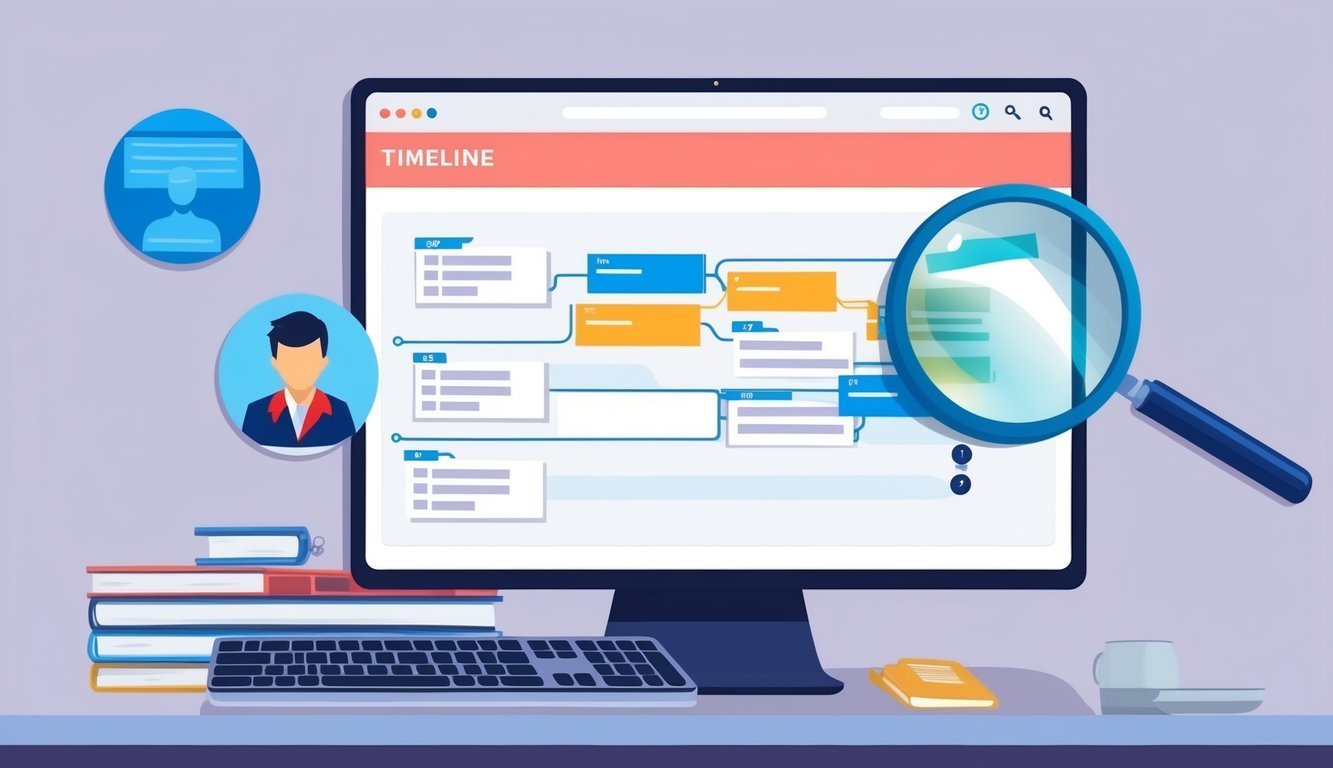
Can Employers See Your Work History: Insights on HR Practices
Employers access work history through background checks, employment verification, and various records, requiring candidate consent while adhering to specific legal regulations to protect privacy.

Insubordination: Navigating Workplace Challenges and HR Solutions
Insubordination in the workplace involves refusing to follow legitimate directives, disrupting team dynamics, eroding productivity, and causing morale issues among employees and management.

Employee Complaint Form: Streamlining Workplace Communication
Effective employee complaint procedures ensure a fair workplace by addressing grievances like discrimination and harassment through structured reporting and resolution processes managed by HR.
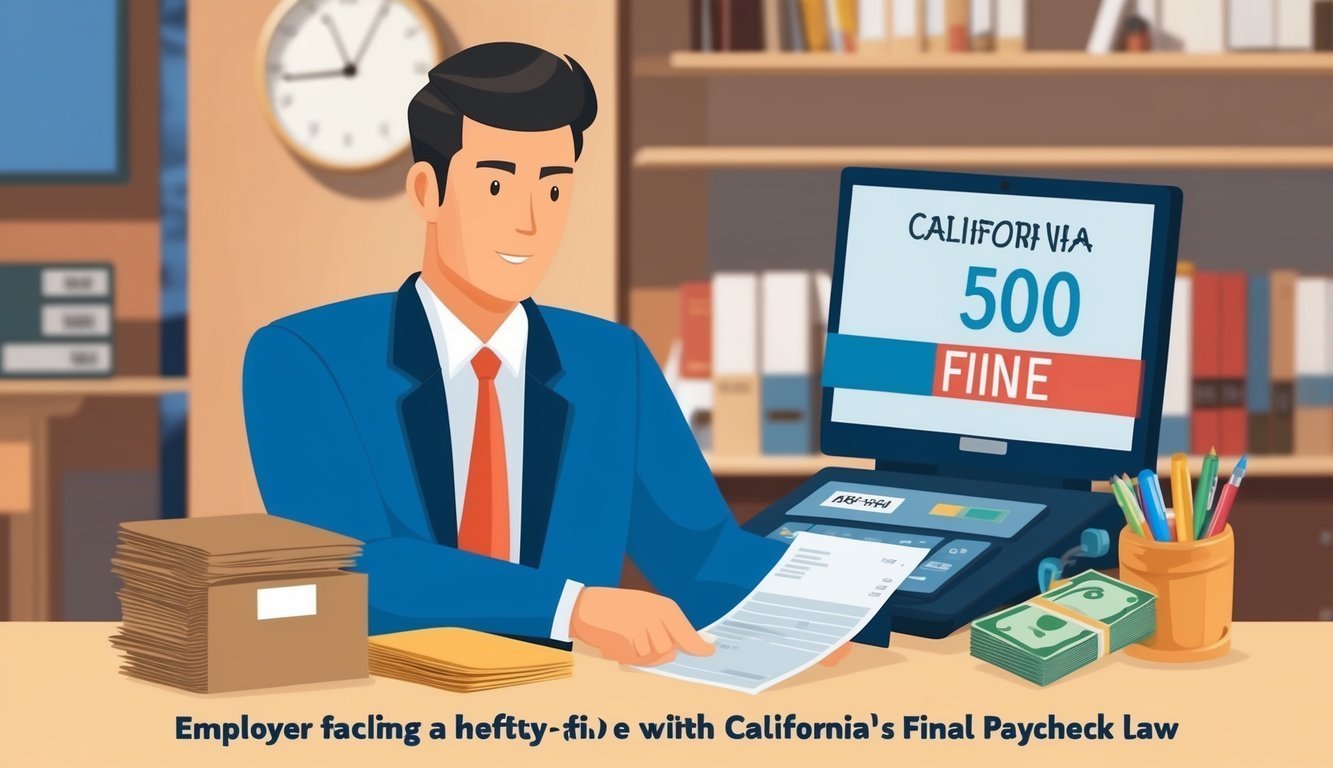
California Final Paycheck Law: Ensuring Fair Employment Practices
Final wages in California must be paid immediately upon termination or within 72 hours after resignation, including all earned wages and accrued benefits.

Payroll Technology: Revolutionizing HR and Office Efficiency
Payroll systems have evolved from manual processes to automated, cloud-based solutions, enhancing accuracy, compliance, and employee satisfaction through advanced technologies like AI and data analytics.

Code of Conduct: Essential Guidelines for Workplace Harmony
Establishing a code of conduct fosters an ethical workplace by defining standards for behavior, promoting professionalism, ensuring accountability, and enhancing trust among employees.