Understanding HR Policies and Compliance

Hiring Manager Satisfaction Survey: Enhancing Workplace Efficiency
Evaluating hiring manager satisfaction enhances recruitment processes by improving communication, candidate quality, and alignment with organizational goals, ultimately leading to better hiring outcomes and retention rates.

How to Respond to Union Activity at Work: Employer Guidelines
Employers must follow federal labor laws when responding to union activity, ensuring respectful communication and avoiding actions that could be perceived as retaliation or coercion.
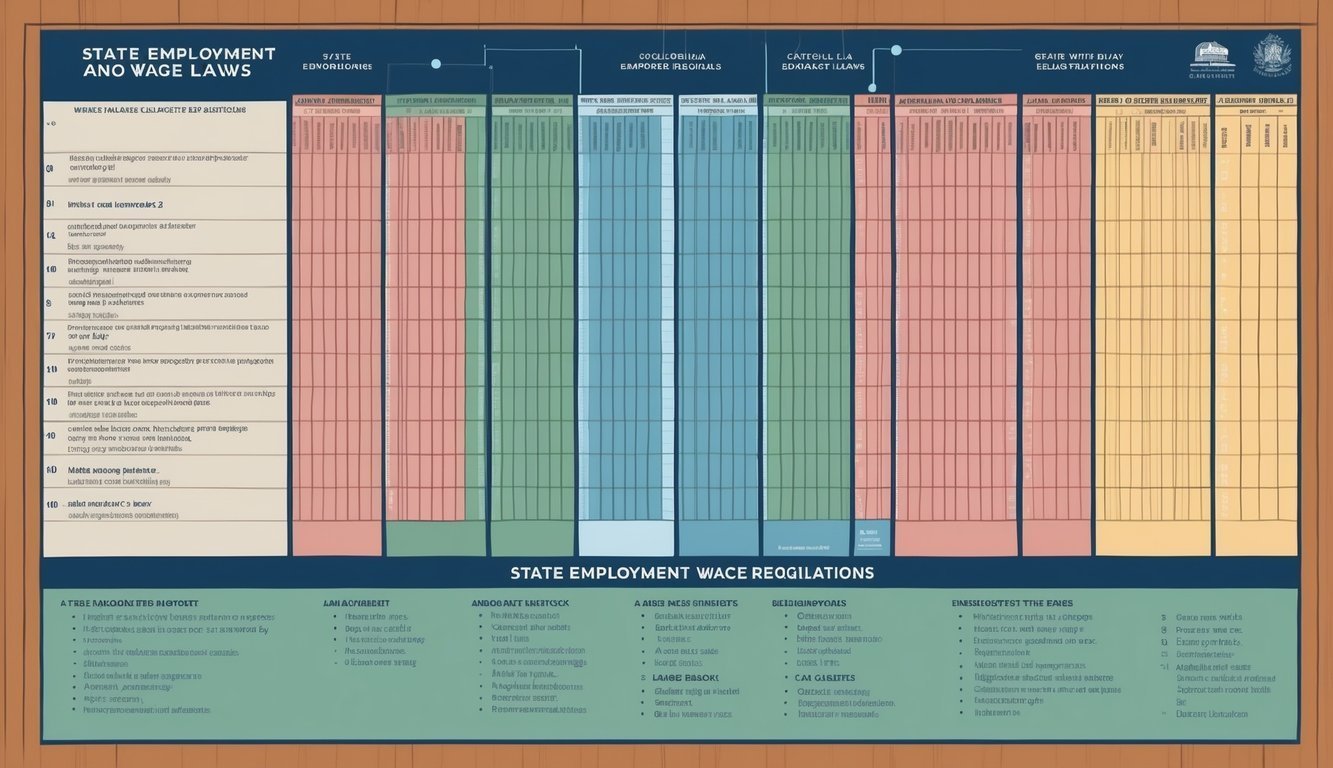
State Employment Laws Chart: A Comprehensive Guide for HR Professionals
Employment eligibility and wage regulations vary by state, impacting minimum wage, overtime, leave policies, and anti-discrimination protections that ensure fair treatment in the workplace.

What is a PEO: Understanding Its Role in Modern Employment and HR Solutions
Professional Employer Organizations (PEOs) provide co-employment arrangements, allowing businesses to outsource payroll, benefits, and compliance responsibilities while enhancing HR functions and reducing operational costs.

Website Accessibility for Disabled Users: Enhancing Inclusivity in the Workplace
Web accessibility ensures digital environments are usable for individuals with disabilities by removing barriers, enhancing user experience, and complying with legal standards like the ADA and WCAG.

FMLA for Mental Health: Navigating Employee Rights and Workplace Policies
The Family and Medical Leave Act provides job-protected leave for eligible employees facing serious health conditions, including mental health issues, ensuring continued health benefits during leave.

Resignation in Lieu of Termination: Navigating HR Procedures
Understanding resignation versus termination involves recognizing voluntary departures, legal implications, and the impact on employment benefits, severance, and future job prospects.