
Understanding HR Policies and Compliance

Record Kept on an Employee: Enhancing HR Documentation Practices
Accurate employee records are essential for HR management, ensuring compliance with legal requirements, supporting decision-making, and maintaining operational efficiency within organizations.

Attendance Points: Enhancing Workplace Accountability
The attendance point system assigns points for attendance infractions, tracks employee presence, and outlines consequences for excessive point accumulation, ensuring workplace accountability and discipline.

Performance Rating Scale: Enhancing Workplace Efficiency
Performance rating scales evaluate employee performance by identifying strengths and areas for improvement, utilizing various formats like numeric, Likert, and behaviorally anchored systems.
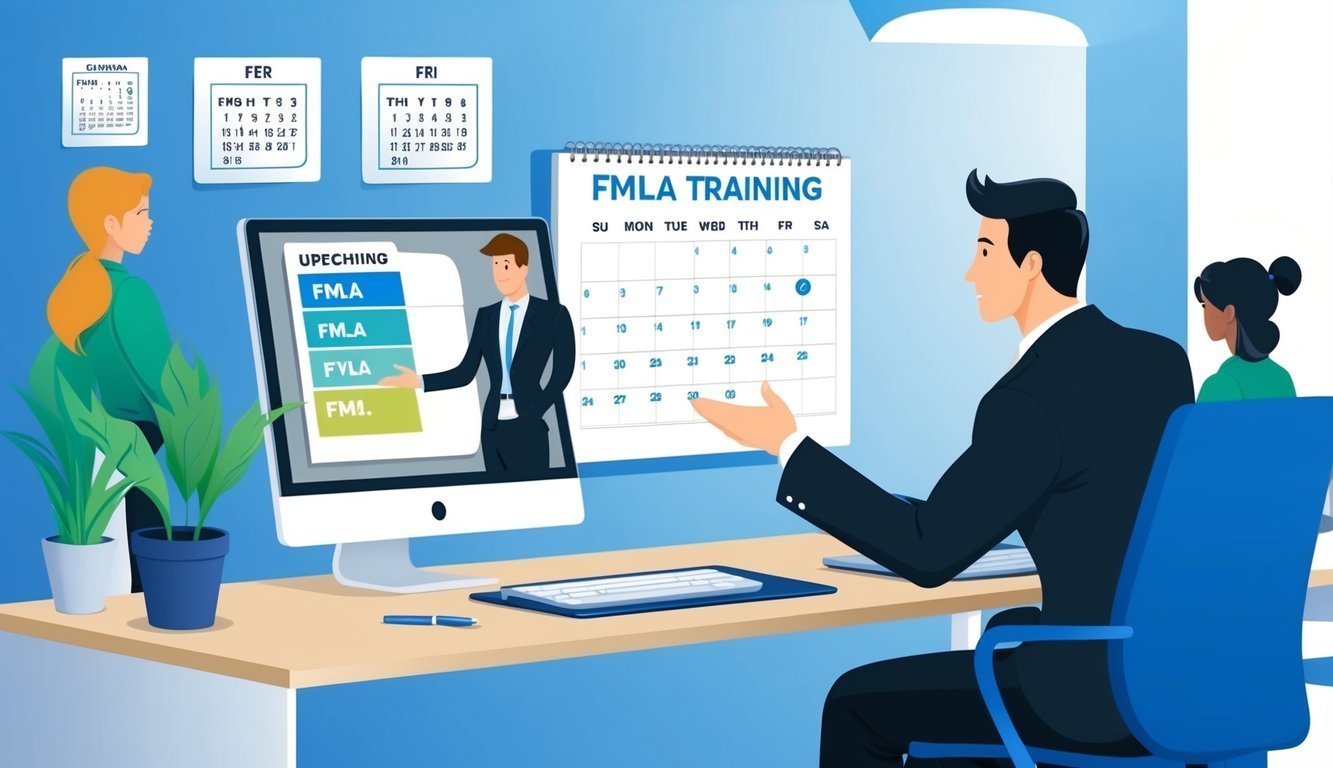
FMLA Training: Enhancing HR Compliance and Office Efficiency
The Family and Medical Leave Act provides eligible employees with up to 12 weeks of unpaid, job-protected leave for specific family and medical reasons.

HR Director Job Description: Key Responsibilities and Skills Required
An HR Director aligns human resources with business objectives, overseeing recruitment, employee relations, compliance, and talent development to foster a positive work culture.

Future of AI in Recruitment: Transforming Hiring Practices
AI enhances recruitment efficiency by streamlining candidate sourcing, resume screening, and interview scheduling, while promoting diversity and improving candidate engagement through automated tools and data-driven insights.
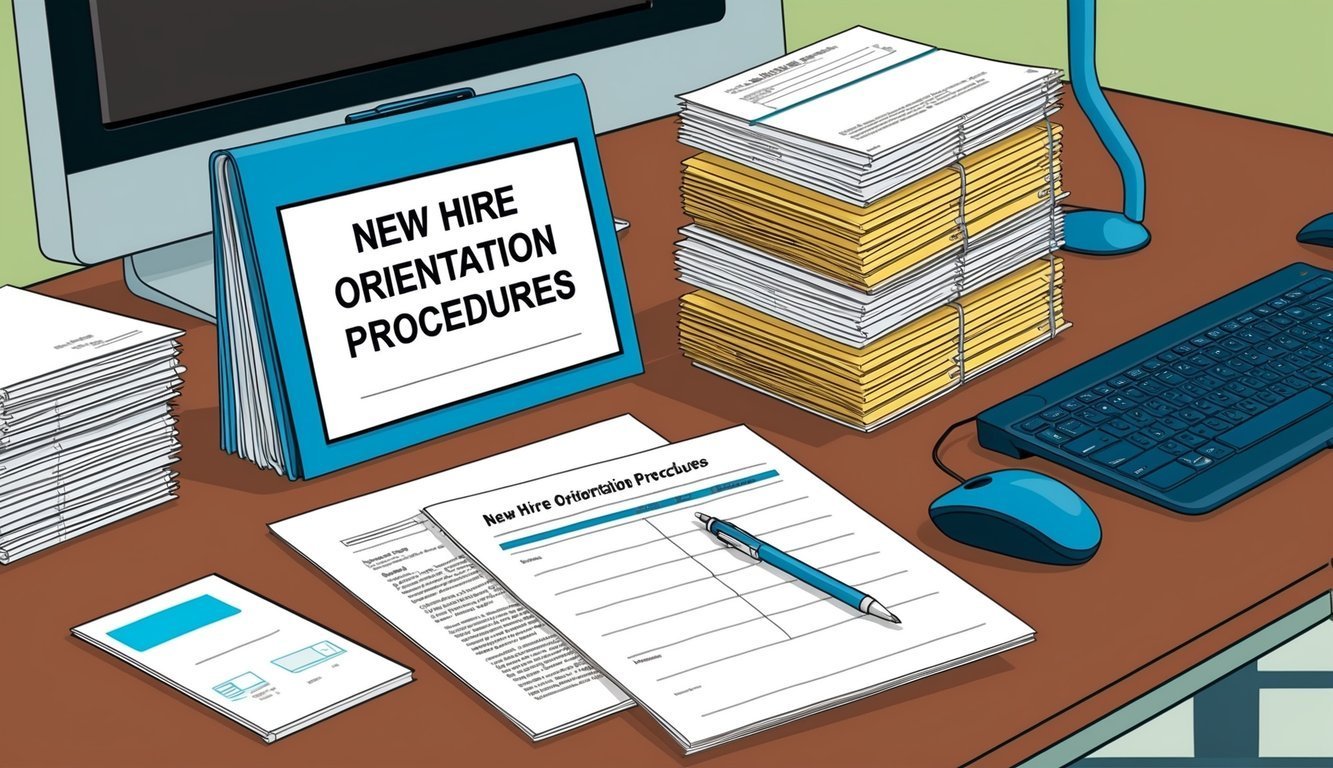
New Hire Orientation: Streamline Employee Onboarding for Success
Company history highlights a 1995 founding as a tech startup, focusing on innovation, sustainability, and ethical practices while fostering employee engagement and ongoing development through structured onboarding.