Understanding HR Policies and Compliance

Attendance Points: Enhancing Workplace Accountability
The attendance point system assigns points for attendance infractions, tracks employee presence, and outlines consequences for excessive point accumulation, ensuring workplace accountability and discipline.

Mental Health Leave: Enhancing Employee Well-being in the Workplace
Mental health leave supports employees facing stress, anxiety, or depression, promoting recovery and workplace well-being while adhering to legal protections like FMLA and ADA.

Social Media Policy: Essential Guidelines for Workplace Conduct and Communication
Creating a social media policy involves defining its scope, ensuring legal compliance, outlining employee responsibilities, and establishing guidelines for professionalism and confidentiality to protect brand reputation.
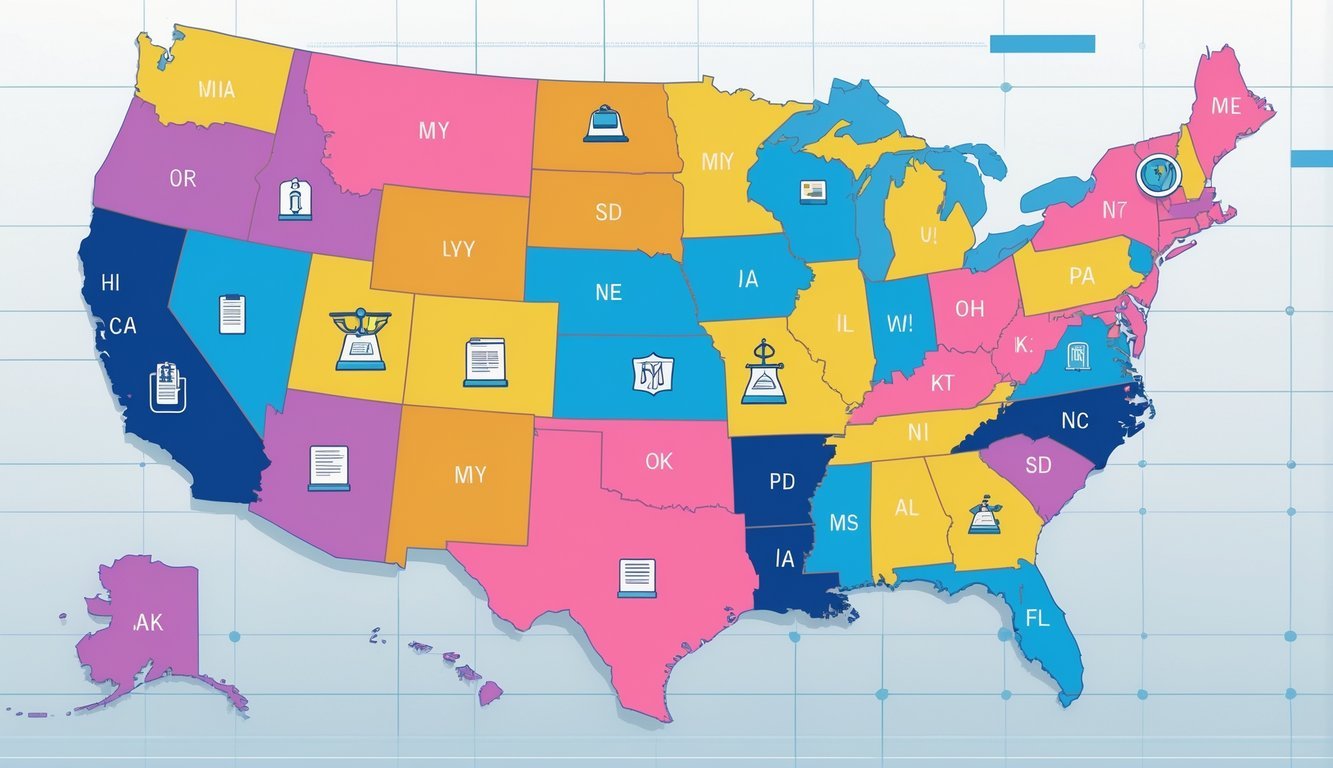
Pay Transparency Rules by State 2025: Key Laws and Employer Impact
Pay transparency laws are expanding in the U.S., requiring salary disclosures in job postings, with varying penalties and compliance rules across multiple states.
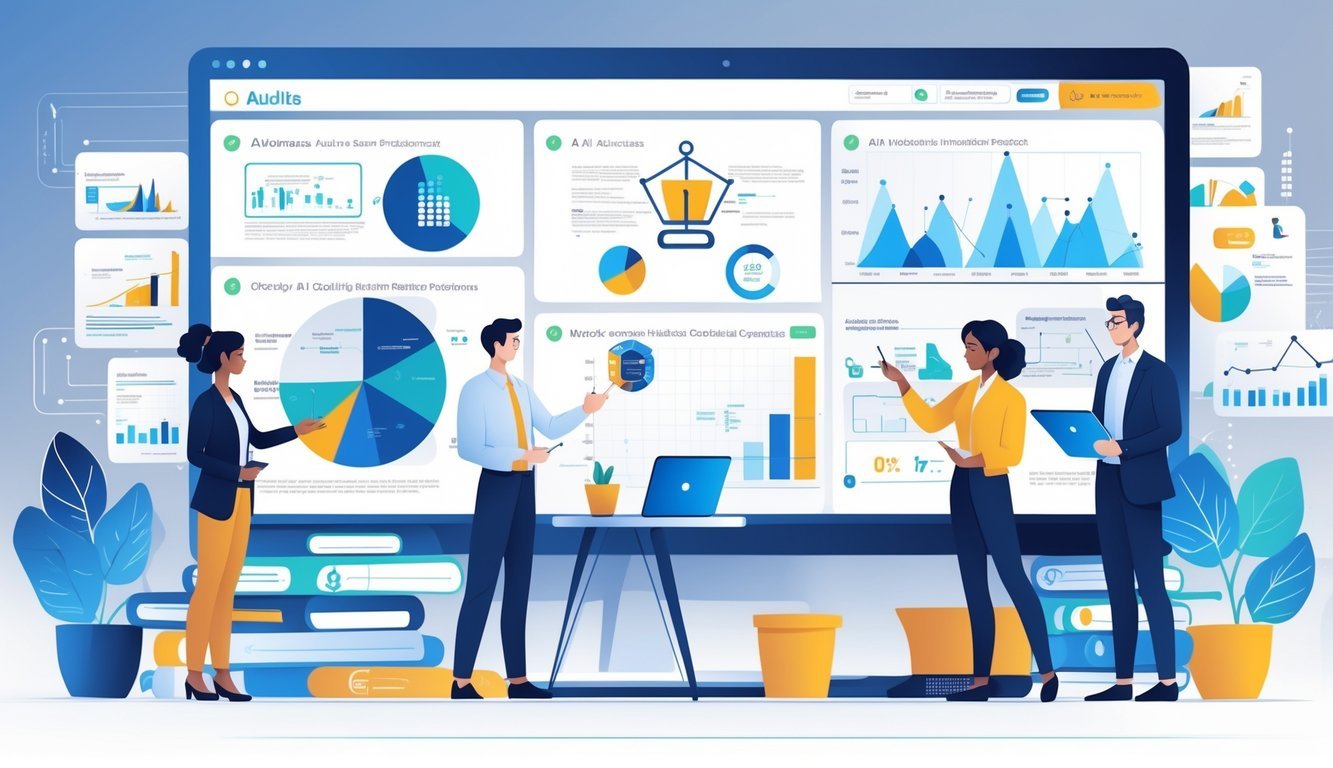
AI Hiring Bias Audit Compliance Guide: Complete Legal & Data Checklist
Companies using AI tools for hiring face legal risks due to potential bias, necessitating regular audits and compliance with federal and state regulations to prevent discrimination.

On-call Policy for Hourly Employees: Ensuring Fair Work Practices
On-call time under the FLSA requires compensation based on employee restrictions. Distinctions between engaged to wait and waiting to engage affect pay calculations.

Administrative Assistant Job Description: Key Skills and Responsibilities for Office Success
Administrative assistants ensure efficient office operations by managing schedules, handling communications, and supporting executives with tasks like data entry, correspondence, and meeting coordination.