Understanding HR Policies and Compliance
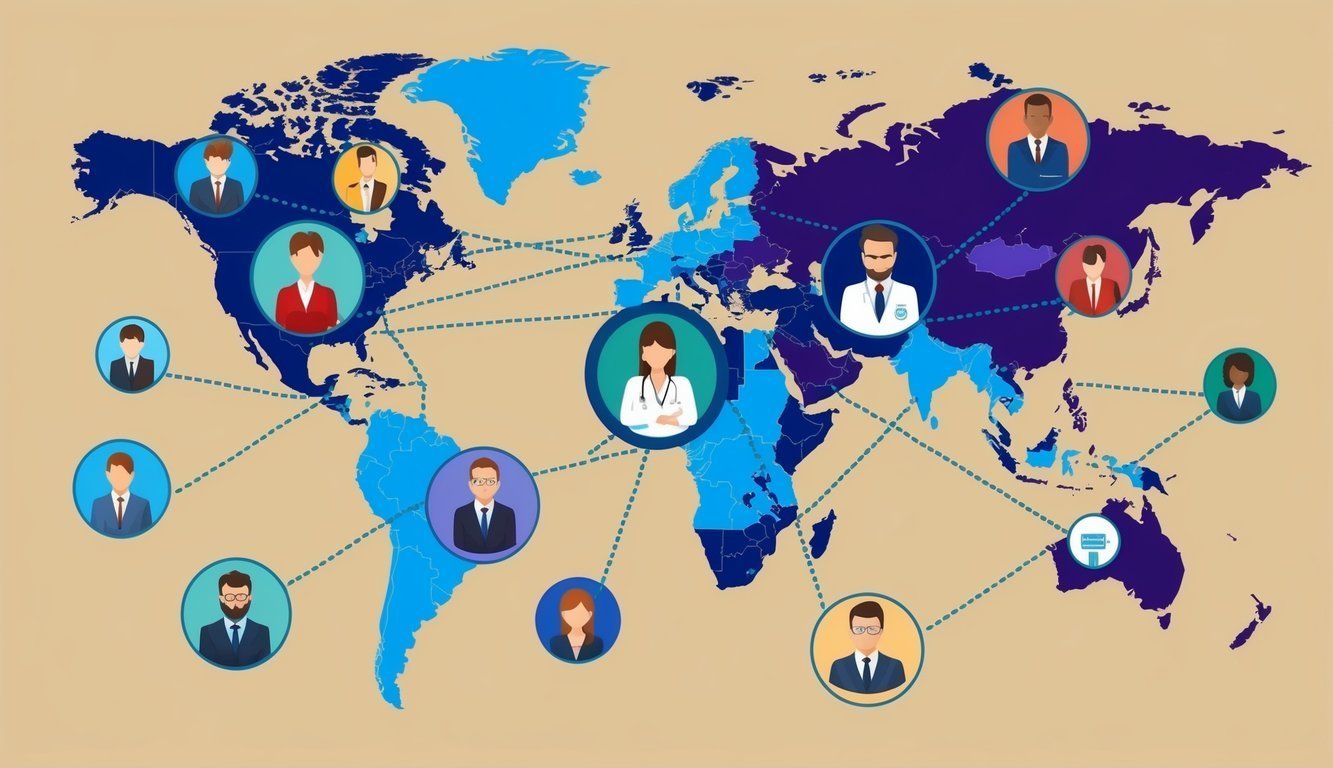
Recruiting Internationally: Strategies for a Global Workforce
International recruitment enhances organizational diversity, enriches company culture, fosters innovation, and requires compliance with local laws, effective outreach, and inclusive hiring practices for global talent acquisition.

California PDL: Navigating Employee Leave in the Workplace
Pregnancy Disability Leave (PDL) provides up to four months of job-protected leave for employees facing pregnancy-related disabilities, ensuring health recovery without job loss.

Skills Gap Analysis: Bridging the Divide in Today’s Workforce
Recognizing the skills gap is essential for effective workforce management, impacting productivity, competitiveness, and growth through deficiencies in technical, digital, leadership, and soft skills.
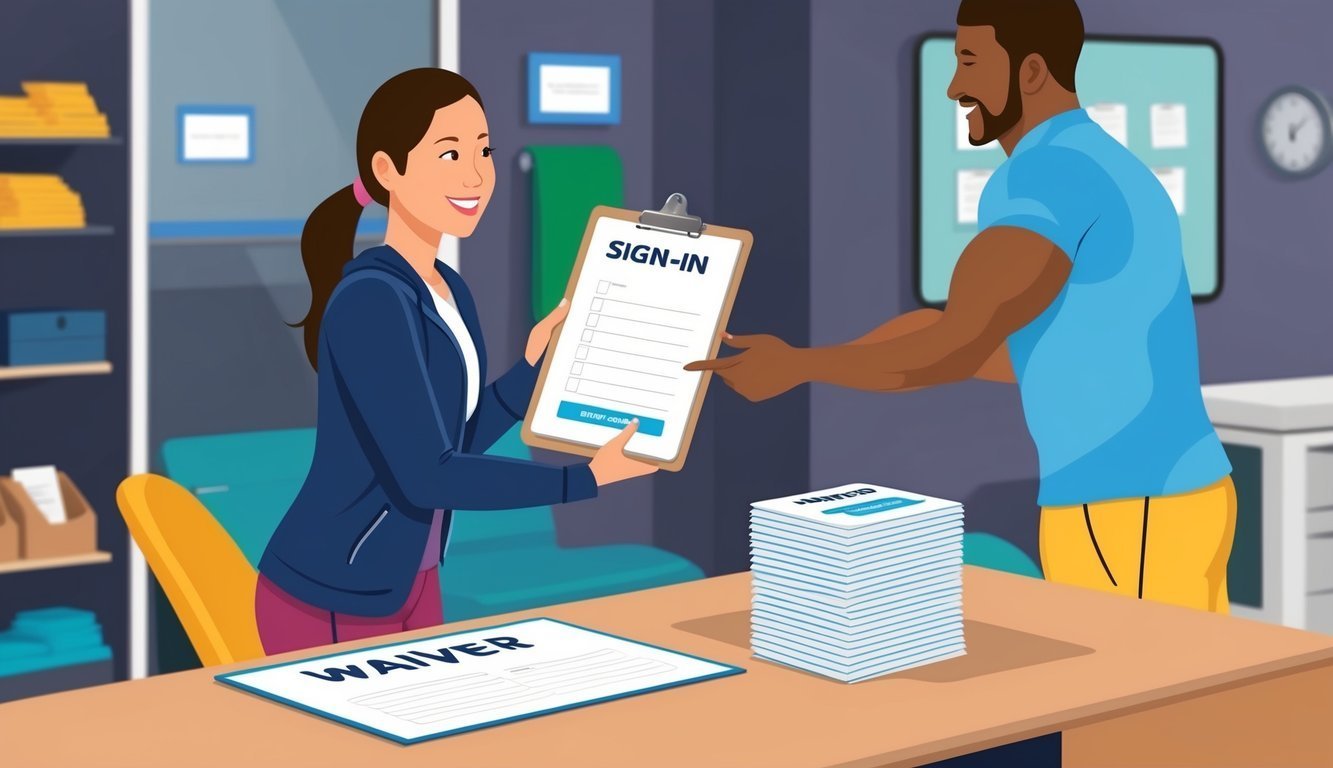
Gym Liability Waiver: Essential HR Practices for Workplace Wellness Programs
Gym liability waivers protect fitness centers from legal claims by requiring clients to acknowledge inherent risks and relinquish rights to sue for negligence.
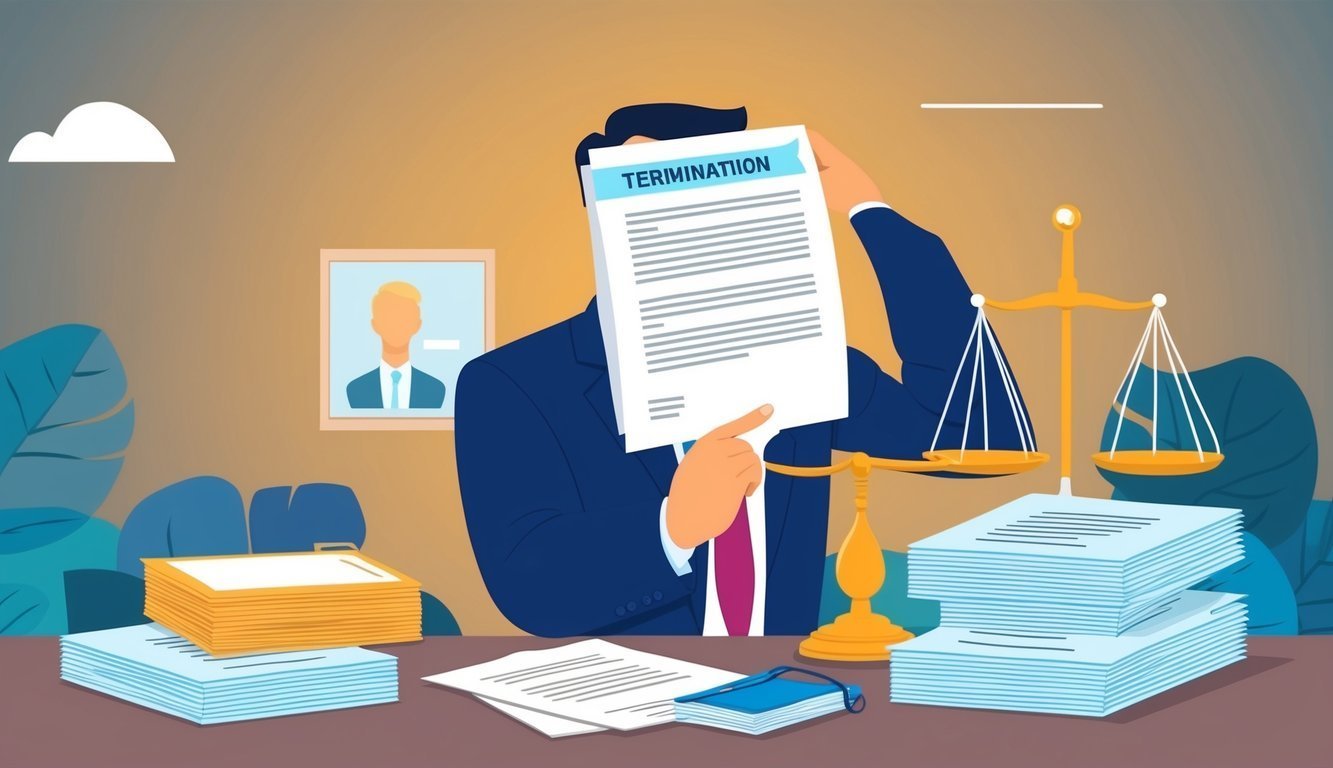
Termination of Employment: Understanding the Process and Best Practices for HR Professionals
Termination of employment can be voluntary or involuntary, involving specific legal rights and processes, including final pay, benefits, and protections against wrongful dismissal.
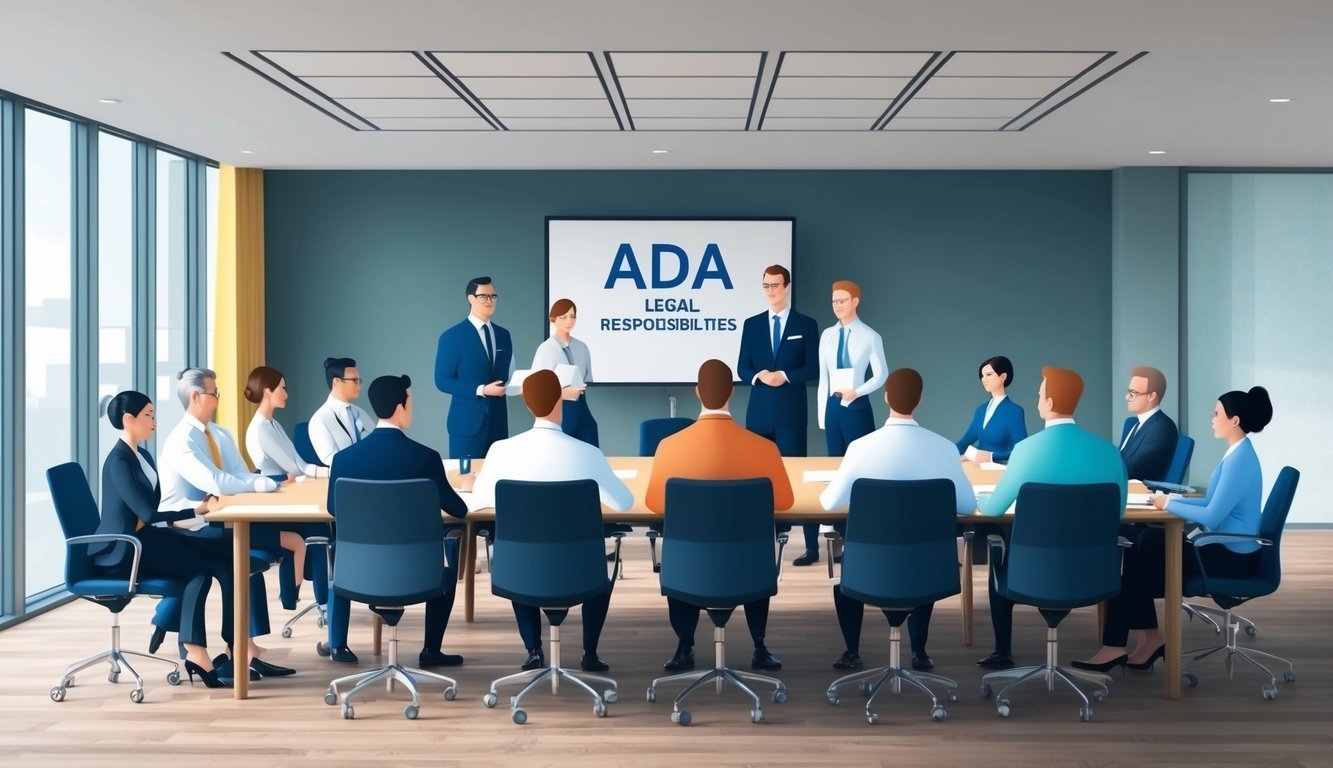
ADA Training for Managers: Essential Steps for Workplace Compliance
The Americans with Disabilities Act prohibits discrimination against individuals with disabilities, requiring employers to provide reasonable accommodations and foster an inclusive work environment for all employees.

Workers Comp Working From Home: Navigating Coverage and Compliance in Remote Employment
Workers’ compensation for remote employees involves coverage complexities related to job duties, remote work agreements, and state laws governing claims and eligibility.