
Understanding HR Policies and Compliance
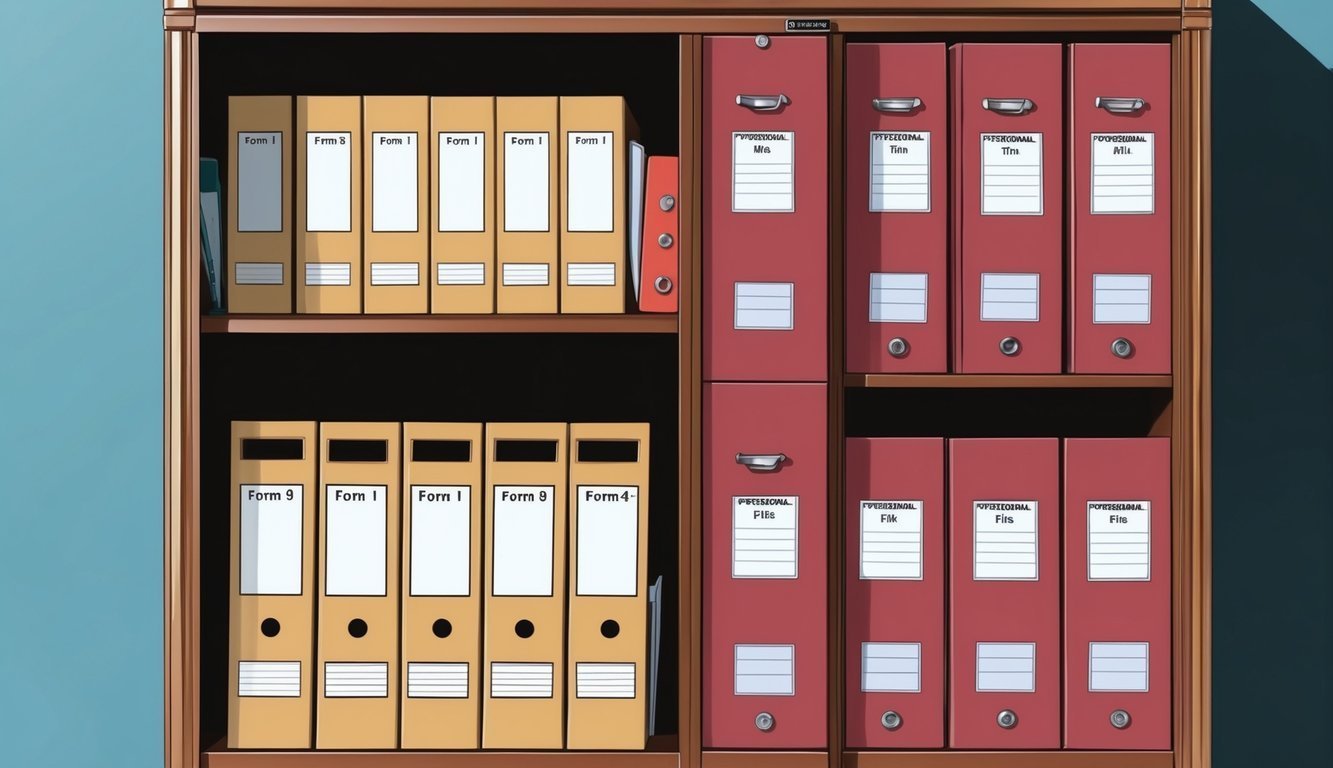
Do I-9 Forms Need to Be Kept Separate from Personnel Files? HR Best Practices Explained
Form I-9 compliance requires accurate employment eligibility verification, proper retention for one year post-termination or three years from hire, and readiness for inspections by authorities.

Fmla Denial Letter: Understanding Employee Rights and HR Protocols
The Family and Medical Leave Act (FMLA) allows eligible employees to take up to 12 weeks of unpaid leave for family and medical reasons while protecting their job and benefits.

Unpaid Administrative Leave California: Understanding Employee Rights and HR Policies
Unpaid administrative leave in California lacks salary compensation and varies by employer policies, often linked to investigations or disciplinary actions while ensuring employee job protection.
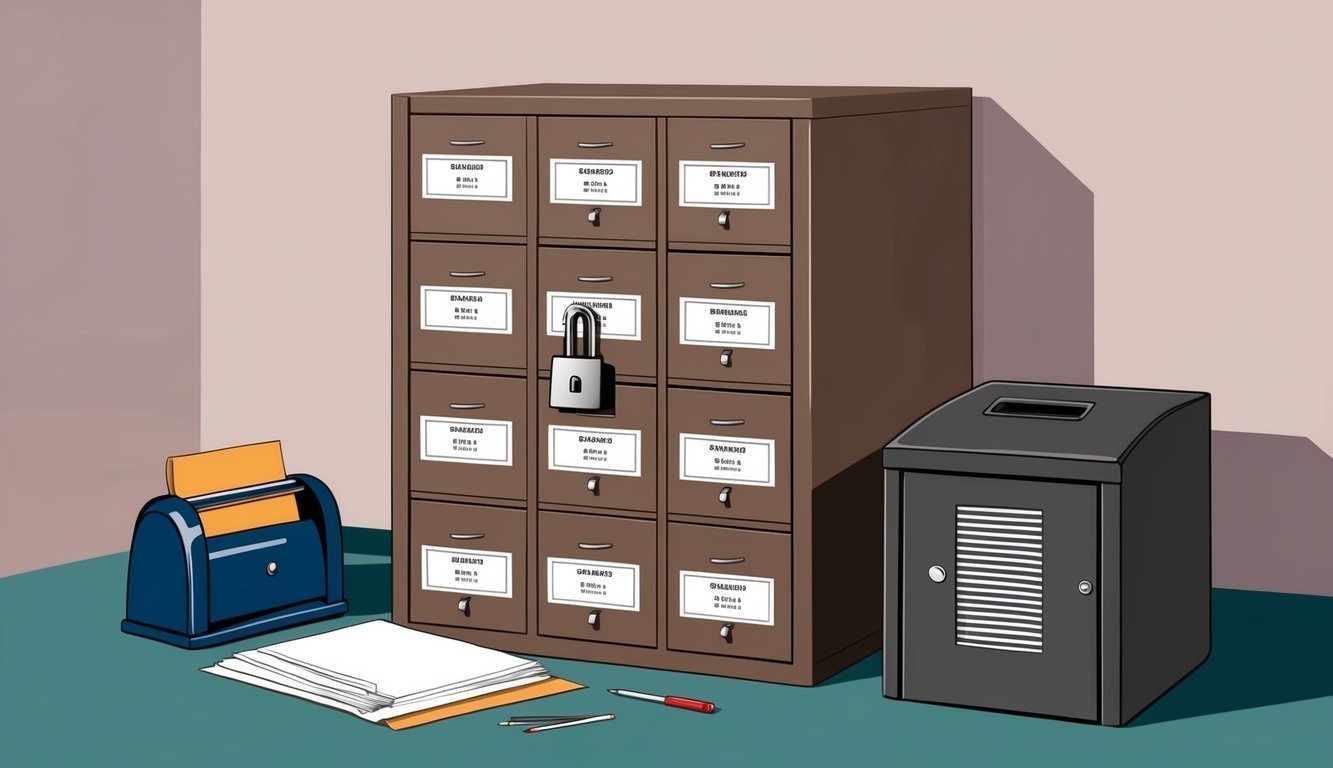
Document Retention Schedule: Best Practices for HR Compliance
Document retention schedules are essential for managing records, ensuring legal compliance, reducing risks, and optimizing operational efficiency by defining how long documents must be kept.

FMLA and ADA: Navigating Workplace Compliance and Rights
The Family and Medical Leave Act provides eligible employees up to 12 weeks of unpaid leave for serious health conditions and family care. The Americans with Disabilities Act mandates reasonable accommodations for employees with disabilities, ensuring non-discrimination in the workplace.

HR Podcast: Navigating Modern Workplace Challenges
HR podcasts provide insights into workforce management, employee engagement, and legal updates, featuring industry leaders who share innovative strategies and practical advice for HR professionals.

Involuntary Termination: Navigating Employment Challenges
Involuntary termination occurs when an employer ends an employee’s contract without consent, often due to performance issues, misconduct, or organizational restructuring, affecting employee rights and benefits.