
Understanding HR Policies and Compliance

Candidate Evaluation Form: Enhancing Hiring Decisions in HR
Evaluating candidates involves assessing work experience, educational background, technical skills, communication, interpersonal abilities, initiative, organizational fit, and cultural integration for informed hiring decisions.

Reduction in Force Meaning: Understanding Workforce Restructuring in HR
Reduction in Force (RIF) involves permanent layoffs due to business reasons, requiring compliance with laws like the WARN Act to ensure ethical practices and protect employee rights.

Social Media and Employment: Navigating the Impact on Hiring and Workplace Dynamics
Social media significantly influences recruitment and job seeking, shaping employer hiring strategies and candidates’ online presence, impacting perceptions, opportunities, and workplace culture.
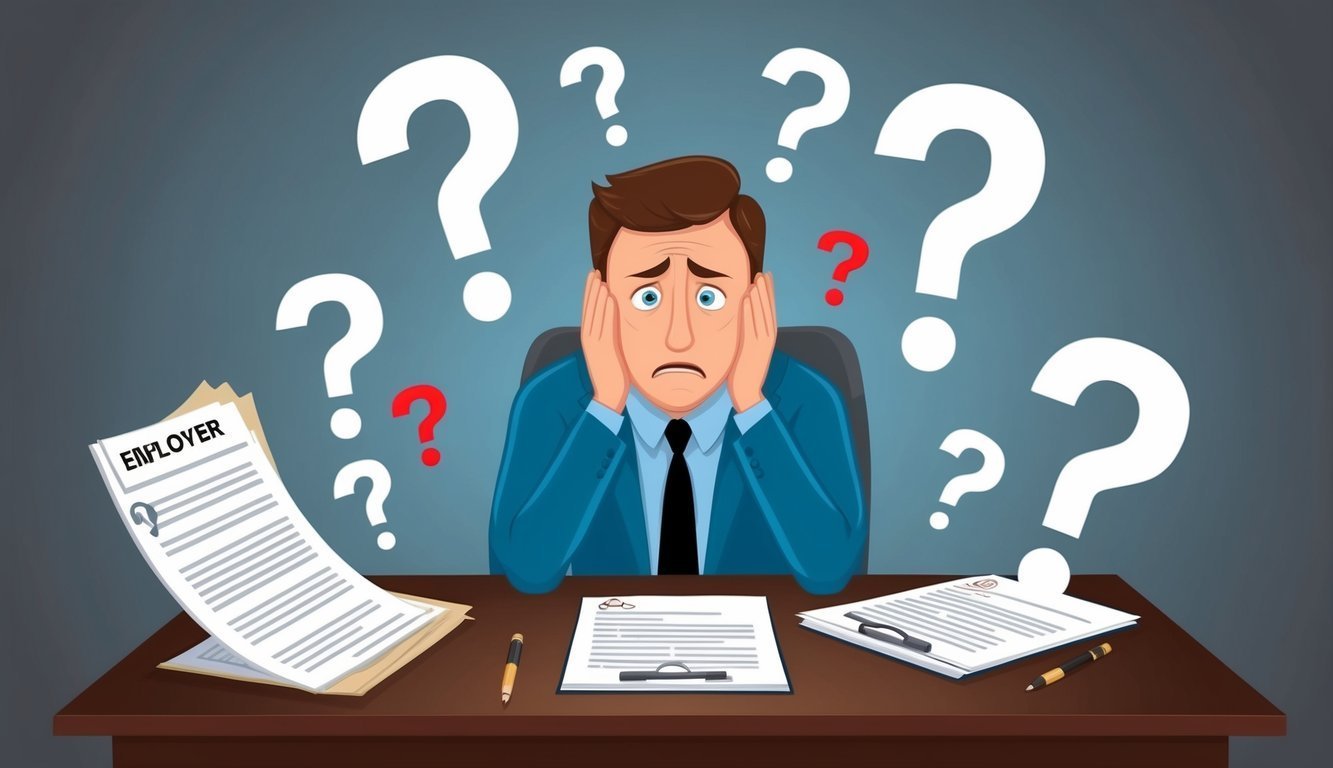
Negligent Hiring: Impacts on Workplace Safety and HR Policies
Employers are legally accountable for harm caused by employees due to inadequate hiring practices, which include failing to conduct thorough background checks and assessing potential risks.

What is the Most Accurate Drug Test for Workplace Compliance?
Drug testing methods include urine, hair, breath, blood, and saliva tests, each varying in detection windows, accuracy, and suitability for workplace environments.

Workplace Violence Prevention Plan California: Essential Strategies for Safe Work Environments
Workplace violence hazards range from threats to physical attacks, necessitating effective prevention strategies including risk assessments, employee training, and incident reporting procedures for safety compliance.

Employee Value Proposition: Enhancing Company Culture and Retention
An effective EVP attracts talent by offering competitive compensation, career development opportunities, and a supportive culture, enhancing employee engagement and reducing turnover rates.