Expert Guidance for Interviews and Resumes

Behavioral Interview Questions: Essential Insights for HR Professionals
Behavioral interview questions assess a candidate’s past experiences to predict future performance, focusing on skills like communication, problem-solving, teamwork, and adaptability through structured responses like the STAR Method.

How to Explain a Job Was Not a Good Fit to Prospective Employers
Assessing job fit during interviews involves evaluating company culture, identifying red flags, aligning career goals, and maintaining professionalism in discussions about past roles.
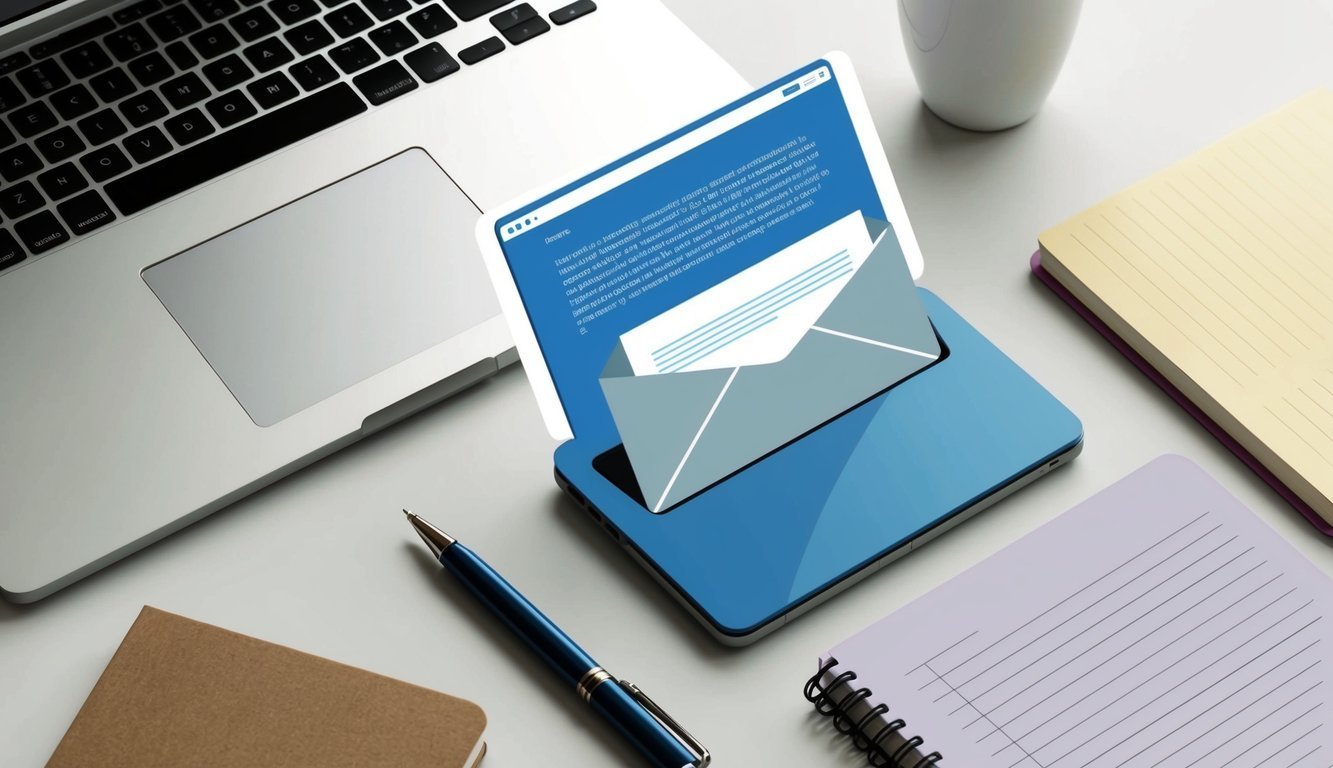
How to Ask for a Reference by Email: Professional Tips for Office Success
Understanding the reference process involves recognizing different types of references, knowing when to request them, and effectively communicating your qualifications to potential referees.

Letter of Intent Example for Employment Opportunities
A Letter of Intent outlines preliminary agreements between parties, clarifying intentions and expectations in various contexts such as business, employment, or academic pursuits.

Why Interview Is Important for Securing the Right Talent in the Workplace
The interview process consists of multiple stages, including screening, in-person, and group interviews, involving HR, hiring managers, and team members to assess candidates’ qualifications and fit.

Do Cover Letters Matter in Today’s Job Market?
Cover letters are essential in job applications, providing context for resumes, showcasing enthusiasm, and demonstrating alignment with company culture and job requirements.
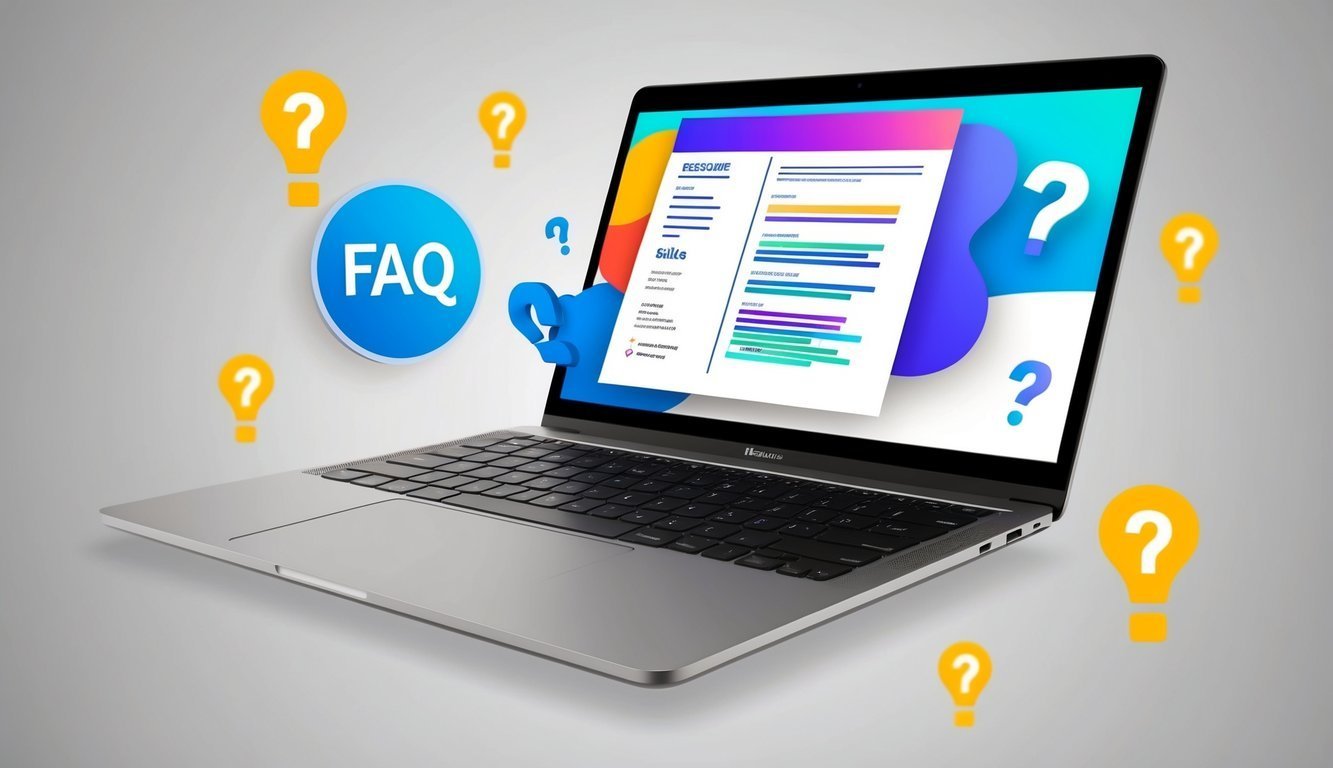
Skills Based Resume: Unlocking Employment Opportunities in Today’s Job Market
A skills-based resume emphasizes competencies over chronological work history, making it ideal for career changers to highlight transferable skills and relevant experiences for potential employers.