
Office Hazards: Identifying Risks in Workplace Safety
Identifying office hazards includes ergonomic issues, slips and falls, electrical risks, poor air quality, and inadequate emergency procedures, all of which affect employee health and safety.

Identifying office hazards includes ergonomic issues, slips and falls, electrical risks, poor air quality, and inadequate emergency procedures, all of which affect employee health and safety.
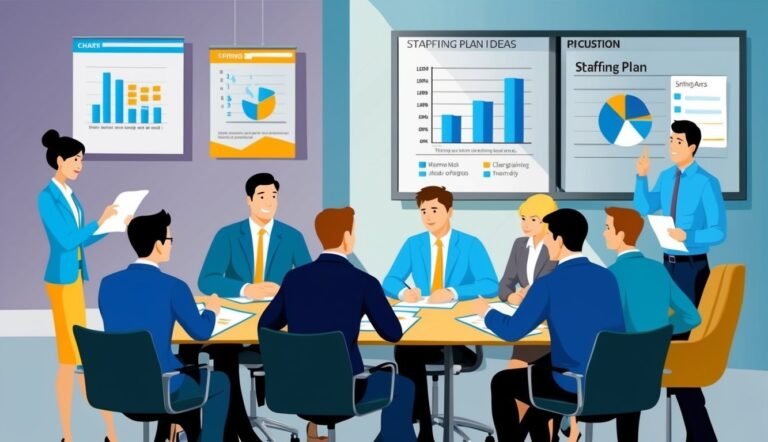
A robust staffing plan requires understanding organizational needs, aligning with goals, conducting gap analyses, and implementing effective recruitment, talent management, and retention strategies for optimal workforce efficiency.

The insurance industry comprises diverse roles, including underwriters, claims adjusters, actuaries, and brokers, each contributing uniquely to risk management and client relations.

A partnership manager oversees strategic alliances, requiring strong communication, leadership, and negotiation skills to enhance relationships and drive organizational growth across various work environments.

Structured morning routines, hydration, balanced breakfasts, and mindfulness practices enhance energy, mental clarity, and overall wellbeing, leading to improved productivity and workplace performance.

Understanding the startup ecosystem involves navigating diverse domains, assessing company culture, and leveraging networking to identify suitable job opportunities in a dynamic market landscape.

Ending a phone call professionally requires clear communication, expressing gratitude, summarizing key points, and providing follow-up information to ensure ongoing engagement and positive relationships.

Advancements in recruitment technology, including AI integration, automation, and skills-based hiring, are reshaping talent acquisition strategies and enhancing candidate engagement in the evolving workforce landscape.

A comprehensive alcohol and drug policy is essential for workplace safety, outlining employee expectations, legal obligations, health considerations, and procedures for testing and disciplinary actions.
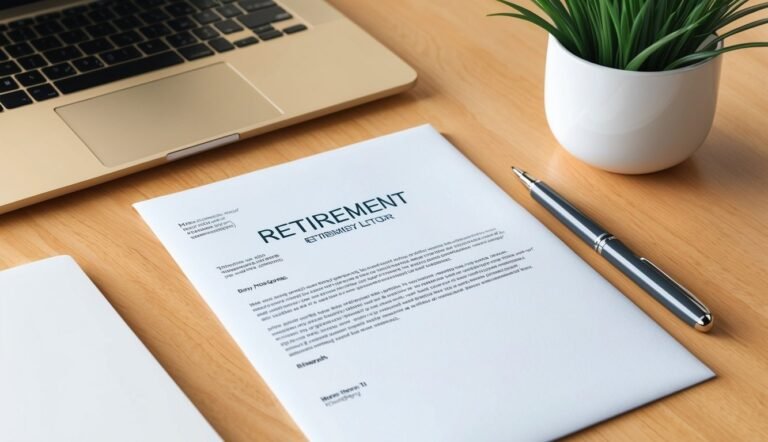
Drafting a retirement letter requires clarity, professionalism, and gratitude. Structure it with an opening statement, body appreciation, and closing assistance offer for smooth transitions.