
Understanding HR Policies and Compliance

ADA Training for Managers: Essential Steps for Workplace Compliance
The Americans with Disabilities Act prohibits discrimination against individuals with disabilities, requiring employers to provide reasonable accommodations and foster an inclusive work environment for all employees.

Reduction in Force Meaning: Understanding Workforce Restructuring in HR
Reduction in Force (RIF) involves permanent layoffs due to business reasons, requiring compliance with laws like the WARN Act to ensure ethical practices and protect employee rights.

Job Abandonment Letter: Key Insights for HR Professionals
Job abandonment occurs when an employee is absent without notification for an extended period, leading employers to terminate the employment relationship. Clear policies and documentation are essential.

Reasonable Suspicion Checklist: A Guide for HR Compliance and Workplace Safety
Reasonable suspicion in the workplace is based on observable signs of impairment, requiring specific observations and documentation to ensure safety and compliance with policies.
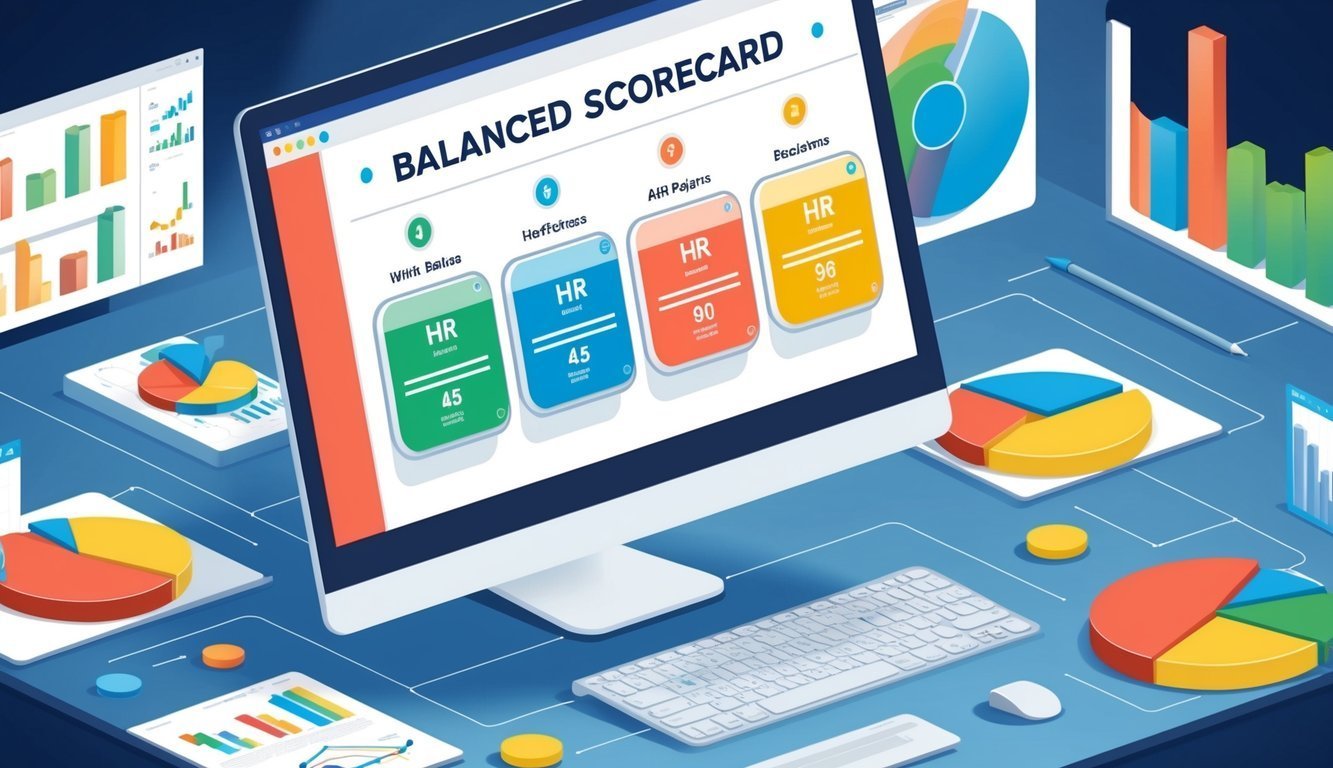
Balanced Scorecard HR: Enhancing Employee Performance Metrics
The HR Balanced Scorecard integrates strategic objectives with performance metrics, aligning HR practices with organizational goals to enhance overall business performance and workforce effectiveness.

I-9 Retention Rules: HR Compliance Essentials
Employers must verify employee identity and eligibility using Form I-9, retaining records for three years after hire or one year post-employment, whichever is later.

Outsource Recruiting: Enhancing HR Efficiency in Modern Workplaces
Recruitment Process Outsourcing (RPO) allows companies to transfer recruitment functions to external providers, enhancing efficiency, reducing costs, and adapting to fluctuating hiring demands.