
Navigating Compensation and Benefits

Can You Claim an Adult as a Dependent: Understanding Workplace Implications
Eligibility criteria for claiming an adult as a dependent include relationship, residency, income, support levels, and considerations for age and disability under IRS guidelines.

Without a Section 125 Plan in Place: Implications for Employee Benefits and Tax Efficiency
Section 125 plans, or cafeteria plans, offer flexible employee benefits, allowing customized choices that enhance job satisfaction and provide significant tax advantages for both employees and employers.

What Happens When You Sell Stock: Implications for Workplace Benefits and Personal Finance
Selling stock involves executing trades through brokerage accounts, understanding order types, and considering tax implications, including capital gains and losses affecting financial strategies.

Workers’ Compensation Calculation Sheet: Understanding Benefits and Claims in the Workplace
Workers’ compensation insurance protects employees from work-related injuries while limiting employer liability. Premiums vary based on industry risk, employee classification, and claims history.

Severance Agreement Template: Essential Guidelines for Employment Transitions
Severance agreements outline employment termination terms, including severance pay, benefits, and legal protections, helping prevent disputes and ensuring compliance with applicable laws.

What is a Tanda Money and Its Impact on Workplace Financial Flexibility
Tandas are rotating savings and credit associations where participants contribute a fixed amount regularly, allowing one member to access pooled funds at designated intervals.
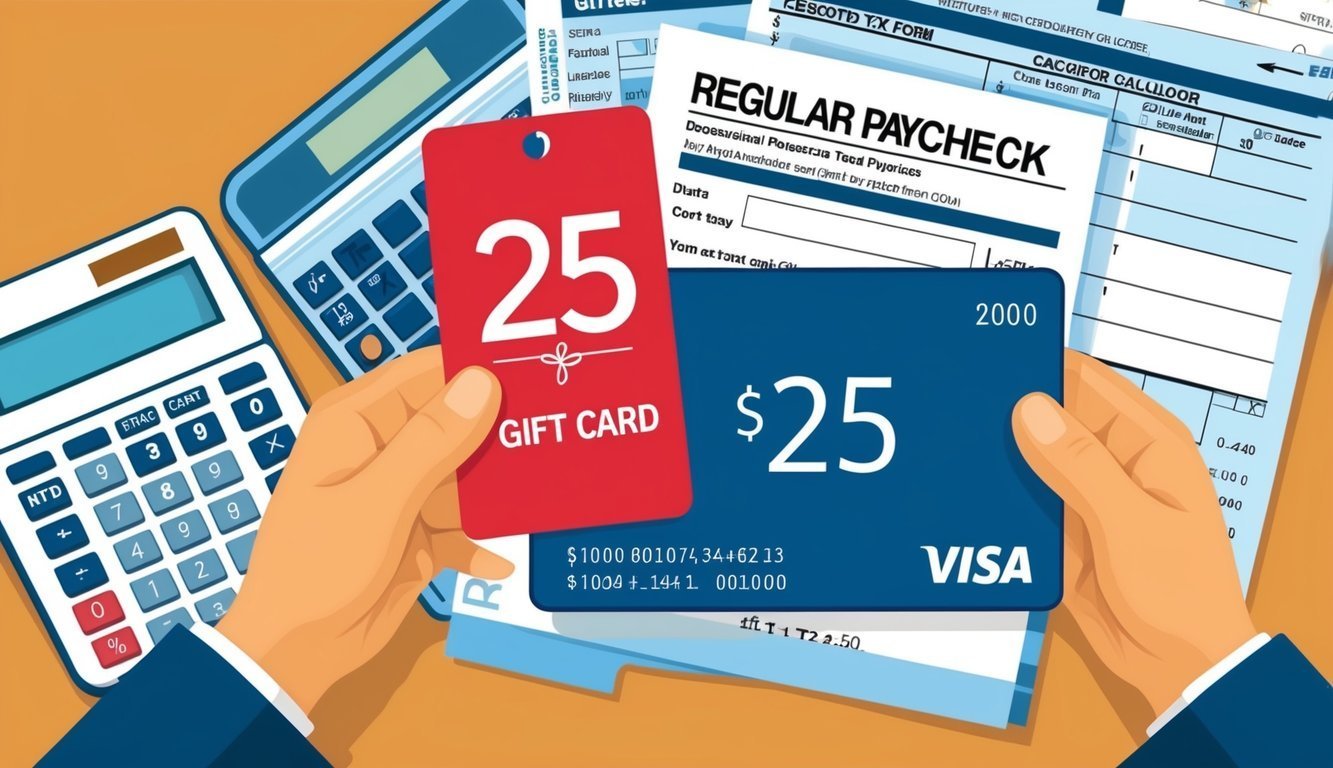
Is Salary $25 Gift Card Taxable Income? Understanding HR and Employment Guidelines
Fringe benefits include additional employee compensation, such as health insurance and gift cards, which can be classified as taxable or nontaxable based on IRS regulations.