
Pet Peeves Interview Question: Navigating Workplace Dynamics
Understanding pet peeves in professional settings reveals insights into candidates' cultural fit, communication styles, and adaptability, influencing teamwork and organizational dynamics.

Understanding pet peeves in professional settings reveals insights into candidates' cultural fit, communication styles, and adaptability, influencing teamwork and organizational dynamics.
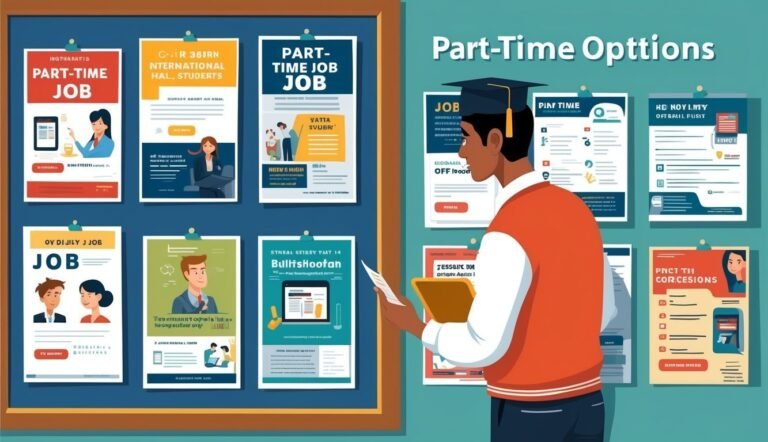
Understanding international student employment in the USA requires knowledge of visa regulations, job eligibility, and opportunities in on-campus and off-campus roles. Enhance communication and problem-solving skills.

Connecting on LinkedIn post-interview enhances networking opportunities. Timing, personalized requests, and maintaining professionalism are crucial for building lasting professional relationships.

An HRIS Administrator manages human resource systems, ensuring data integrity, system configuration, and compliance while enhancing HR processes and operational efficiency through technology integration.

Establishing strong employee relations fosters engagement, loyalty, and productivity, while promoting a positive work environment through effective communication, inclusion, fairness, and employee well-being initiatives.

Job satisfaction significantly impacts overall work experience, influenced by company culture, management style, and opportunities for growth and professional development.

The Volunteers for Children Act mandates background checks for individuals working with children, enhancing safety and trust within nonprofit organizations and volunteer programs.

Digital interviewing enhances hiring processes through remote formats, leveraging technology for efficiency, assessing candidates effectively, and ensuring a structured, engaging experience for both parties.

Imposter syndrome causes individuals to doubt their achievements and feel inadequate despite success, affecting mental health and professional performance across various fields.

The Family and Medical Leave Act provides eligible employees with up to 12 weeks of unpaid, job-protected leave for specific family and medical reasons.