
How to Negotiate a Raise: Mastering Office Communication
Understanding your value in the workplace is essential for effective salary negotiations, requiring a thorough assessment of accomplishments, responsibilities, and industry salary standards.

Understanding your value in the workplace is essential for effective salary negotiations, requiring a thorough assessment of accomplishments, responsibilities, and industry salary standards.

Effective recruitment requires a systematic approach to attract and select qualified candidates, emphasizing clear job requirements, diverse sourcing methods, and a strong employer brand.

Aircraft mechanics ensure the safety and reliability of aircraft by conducting inspections, performing repairs, and maintaining various systems, adhering to strict regulations and safety protocols.

Security supervisors ensure safety and compliance by managing personnel, developing protocols, conducting audits, and coordinating emergency responses while requiring strong leadership and communication skills.

Management styles significantly influence workplace dynamics, employee engagement, and team productivity, with various approaches including autocratic, democratic, laissez-faire, and transformational leadership.

Creating a professional portfolio involves selecting impactful work samples, organizing content clearly, and including essential documents like resumes and certifications to showcase qualifications effectively.

Termination letters are formal documents that signify the end of employment, outlining reasons, final pay details, and necessary post-termination procedures for both employers and employees.

Selecting a suitable writing sample is vital for job applications, showcasing writing quality, relevance, and versatility to align with employer expectations and industry standards.
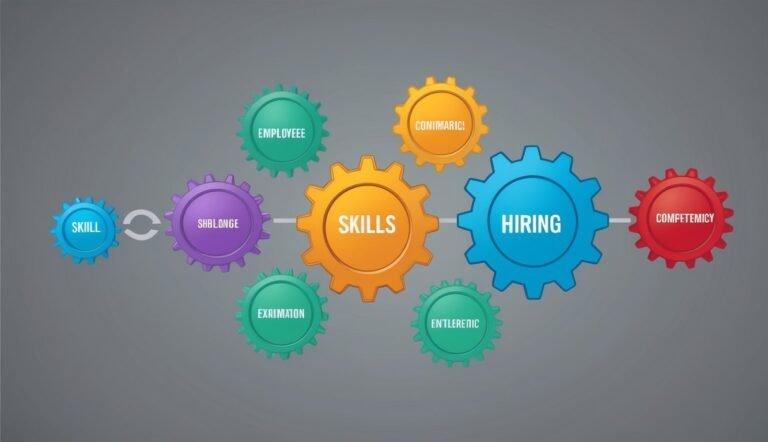
Skills-based hiring focuses on evaluating candidates based on relevant skills instead of traditional qualifications, addressing talent shortages and promoting diversity in the workplace.

Decision-making in professional settings involves balancing emotions and stress, utilizing structured frameworks, and understanding psychological influences like perfectionism and depression to enhance outcomes.