
How to Give Notice at Work: A Professional Guide for Employees
Preparing to resign involves assessing your reasons, scheduling a notice period, drafting a resignation letter, and ensuring a smooth transition of responsibilities.

Preparing to resign involves assessing your reasons, scheduling a notice period, drafting a resignation letter, and ensuring a smooth transition of responsibilities.

Understanding company culture and adaptability enhances individual and organizational success, emphasizing core values, effective communication, teamwork, leadership skills, and proactive behaviors for career advancement.
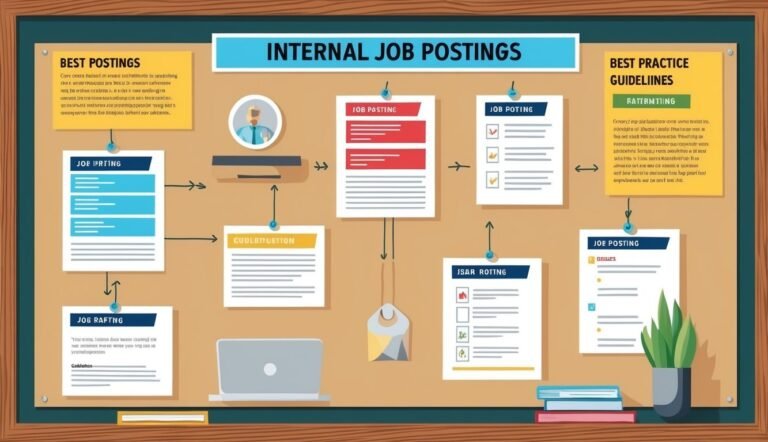
Internal job postings facilitate career advancement for employees, promoting retention, reducing hiring costs, and enhancing workplace morale through clear pathways for progression within the organization.

Understanding pre-adverse action letters is crucial for transparency in employment decisions, allowing candidates to review and dispute inaccuracies in consumer reports before final decisions are made.

The STAR method structures responses to behavioral interview questions by outlining Situation, Task, Action, and Result, effectively showcasing experiences and skills in job interviews.

Late email responses can hinder professional relationships, affecting communication, workflow, and overall efficiency. Acknowledging delays and expressing sincere apologies fosters accountability and trust.

User research internships provide hands-on experience in gathering and analyzing data, enhancing design processes while promoting ethical practices and sustainability in user experience.

Ethics hotlines provide confidential reporting channels for employees to address unethical behavior, fostering a culture of integrity and accountability within organizations while ensuring anonymity and protection from retaliation.

Understanding the role of IT positions requires technical skills, relevant qualifications, and familiarity with operating systems, software development, problem-solving, and cybersecurity measures.

Acknowledging mistakes in the workplace involves assessing the situation, taking responsibility, communicating effectively, developing a recovery plan, and rebuilding professional relationships to foster growth and improvement.