
Understanding HR Policies and Compliance

How to Write a Job Description That Is Legally Compliant: Best Practices and Legal Considerations
Legally compliant job descriptions focus on essential functions, utilize neutral language, avoid discriminatory terms, and adhere to federal and state employment laws for fair hiring practices.
How to Write a Job Description That Is Legally Compliant: Best Practices and Legal Considerations
Legally compliant job descriptions focus on essential functions, utilize neutral language, avoid discriminatory terms, and adhere to federal and state employment laws for fair hiring practices.

HR White Papers: Enhancing Workplace Efficiency and Innovation
Human Resources optimizes workplace processes, enhances employee satisfaction, and focuses on strategic talent acquisition, employee experience, well-being, retention strategies, and inclusive workplace initiatives.

Employee Classification: Navigating Work Roles and Responsibilities
Employee classification impacts payroll, taxes, and labor rights, determining obligations and protections for employees and independent contractors under laws like the Fair Labor Standards Act (FLSA).
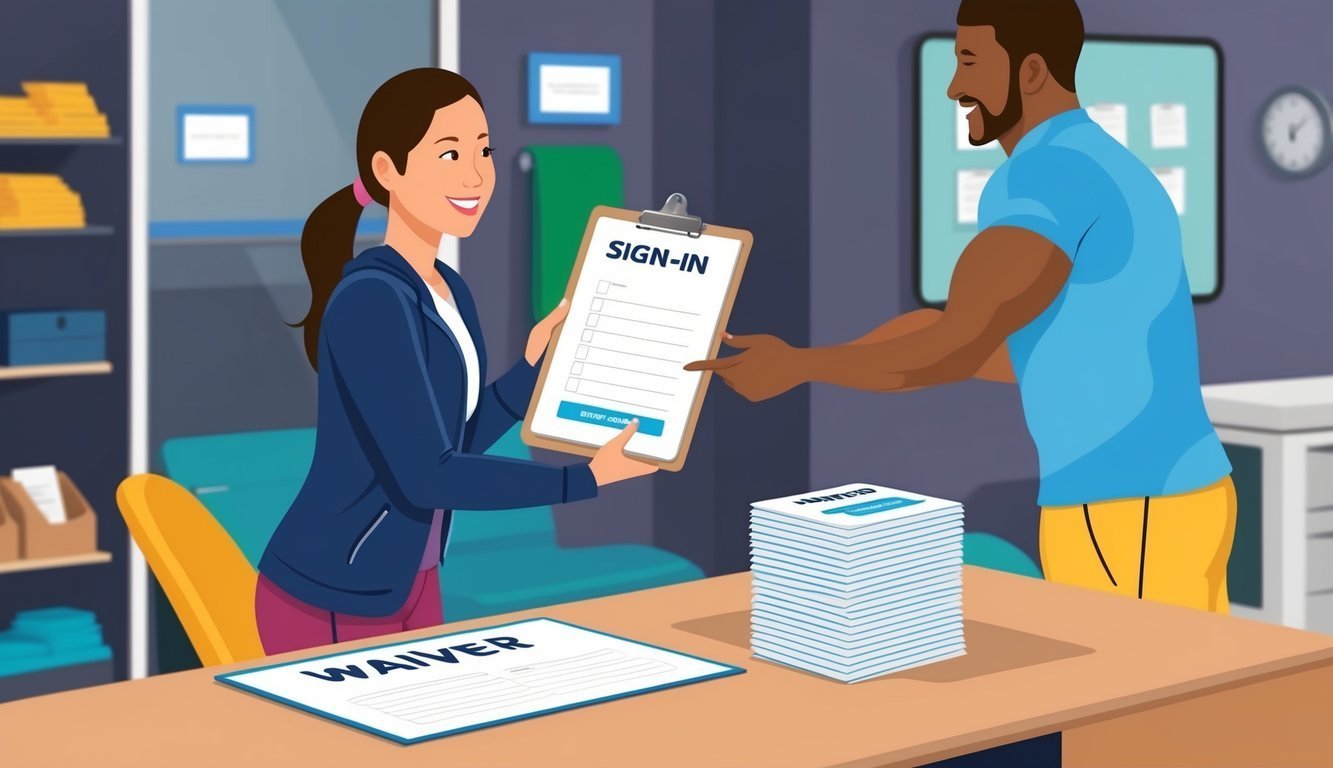
Gym Liability Waiver: Essential HR Practices for Workplace Wellness Programs
Gym liability waivers protect fitness centers from legal claims by requiring clients to acknowledge inherent risks and relinquish rights to sue for negligence.

Drug Test Consent Form: Essential HR Guidelines for Employers
Drug test consent forms are vital in workplaces, ensuring employees understand testing procedures, their rights, and protecting both employees and employers from legal liabilities.

Performance Appraisal Training: Enhancing Workplace Efficiency and Growth
Performance appraisals evaluate employee contributions, enhance communication, guide development, and align individual goals with organizational objectives through structured feedback and various assessment methods.