
Understanding HR Policies and Compliance

Collective Bargaining Agreement: Navigating Workplace Negotiations
Collective bargaining involves negotiations between labor unions and employers to establish terms like wages, working hours, and workplace conditions, ensuring fair practices and compliance with legal standards.

HR Compliance: Essential Practices for Modern Workplaces
HR compliance entails adhering to employment laws such as the FLSA, ADA, and Title VII, ensuring workplace safety, and implementing anti-discrimination policies to protect employees.
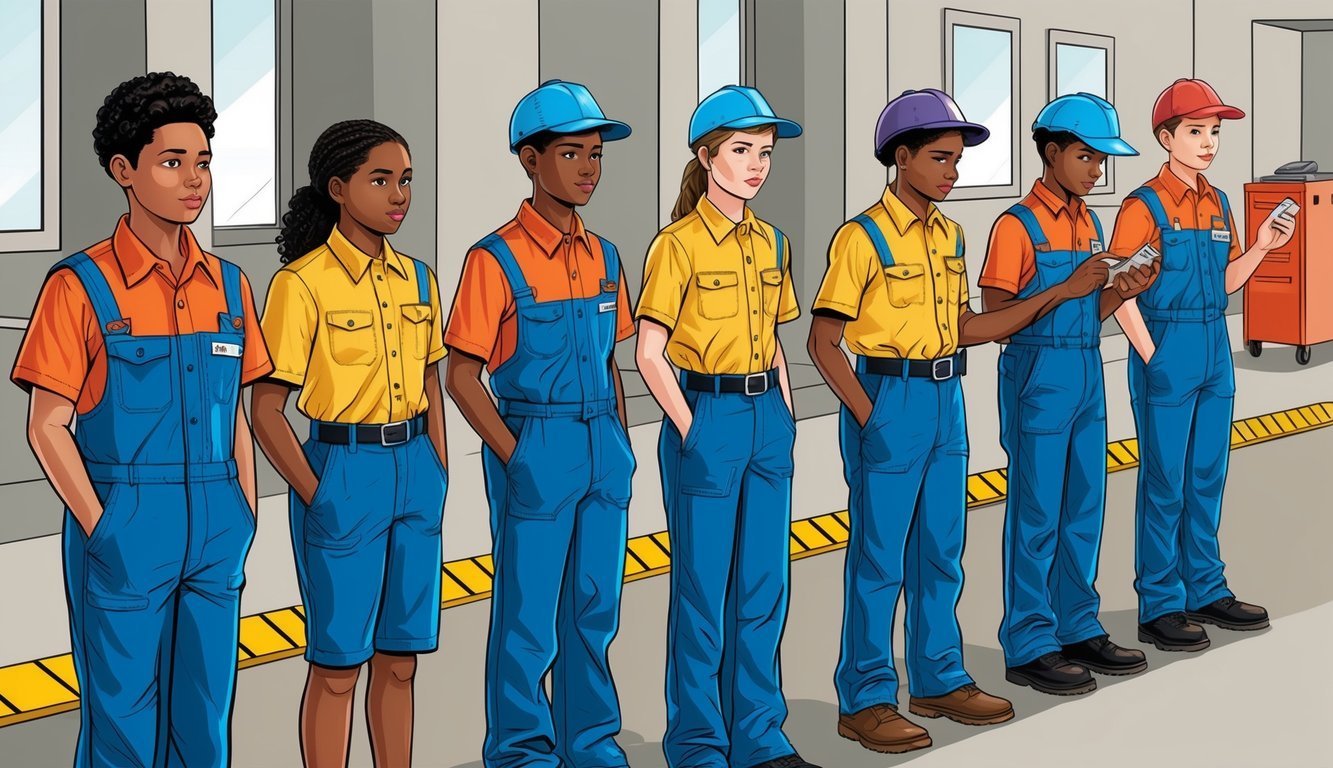
Can Jobs Drug Test Minors: Legal Considerations in Employment
Legal regulations govern drug testing for minors in employment, focusing on federal and state laws, parental consent, privacy rights, and the implications of positive test results.

International Human Resources Manager: Navigating Global Workforce Challenges
An International HR role requires developing global HR policies, managing diverse workforces, ensuring legal compliance, and enhancing employee relations across multiple cultural contexts and locations.

Return to Office: Navigating Post-Pandemic Workplace Dynamics
The transition from remote to in-person work requires strategic planning, focusing on employee safety, flexible schedules, workspace adaptations, and clear communication to enhance productivity and well-being.

Job Evaluation: Enhancing Workforce Efficiency and Organizational Success
Job evaluation systematically assesses job value within organizations, ensuring fair compensation by aligning salaries with responsibilities, using both qualitative and quantitative methods for accuracy.

Drug Test Consent Form: Essential HR Guidelines for Employers
Drug test consent forms are vital in workplaces, ensuring employees understand testing procedures, their rights, and protecting both employees and employers from legal liabilities.