
Understanding HR Policies and Compliance
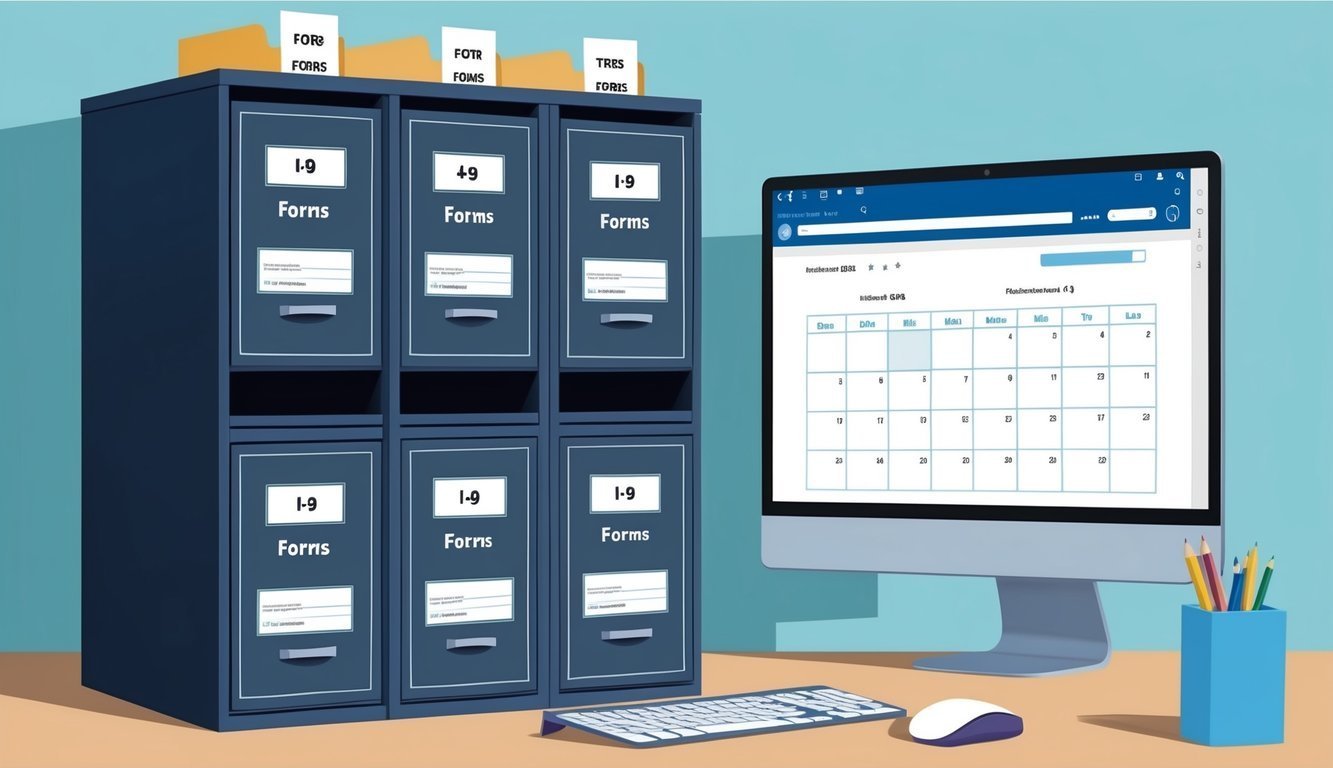
I-9 Retention Rules: HR Compliance Essentials
Employers must verify employee identity and eligibility using Form I-9, retaining records for three years after hire or one year post-employment, whichever is later.

Social Media Screening: Enhancing Recruitment and Employee Management Strategies
Social media screening analyzes candidates’ online profiles to assess their professionalism, communication style, and alignment with company values while ensuring compliance with legal standards.
Can an Employer Change Your Job Description Without Notice: Understanding Workplace Rights
Employment contracts dictate job security and rights, with at-will employment allowing termination without cause. Changes to job descriptions must comply with legal and contractual obligations.

HR Software Selection: Enhancing Workplace Efficiency
Selecting HR software involves evaluating core features such as payroll processing, employee data management, and compliance, ensuring scalability, integration, and user-friendly customization for organizational efficiency.
Sexual Harassment Training Acknowledgement Form: Ensuring Workplace Compliance and Employee Safety
Sexual harassment in the workplace negatively affects employee morale and productivity, necessitating prevention measures, clear policies, and effective training to ensure a safe environment.

Remote Workforce: Transforming Modern HR Practices
Remote work emphasizes flexibility and autonomy, influenced by technological advancements and global events, particularly COVID-19, reshaping workplace dynamics and employee preferences.

Aircraft Mechanic Job Description: Essential Skills and Responsibilities
Aircraft mechanics ensure the safety and reliability of aircraft by conducting inspections, performing repairs, and maintaining various systems, adhering to strict regulations and safety protocols.