Expert Guidance for Interviews and Resumes

Tell Me About Yourself Sample Answers: Effective Responses for Job Interviews
Crafting an engaging self-introduction involves structuring responses using Present-Past-Future, highlighting relevant experiences, and aligning skills with job requirements while incorporating personal interests.

Behavioral Interview Questions: Essential Insights for HR Professionals
Behavioral interview questions assess a candidate’s past experiences to predict future performance, focusing on skills like communication, problem-solving, teamwork, and adaptability through structured responses like the STAR Method.

Tell Me About a Time You Failed: Lessons Learned for Professional Growth in the Workplace
Failure in professional contexts fosters personal growth, emphasizing self-awareness, accountability, and collaboration, ultimately enhancing problem-solving skills and resilience in the workplace.
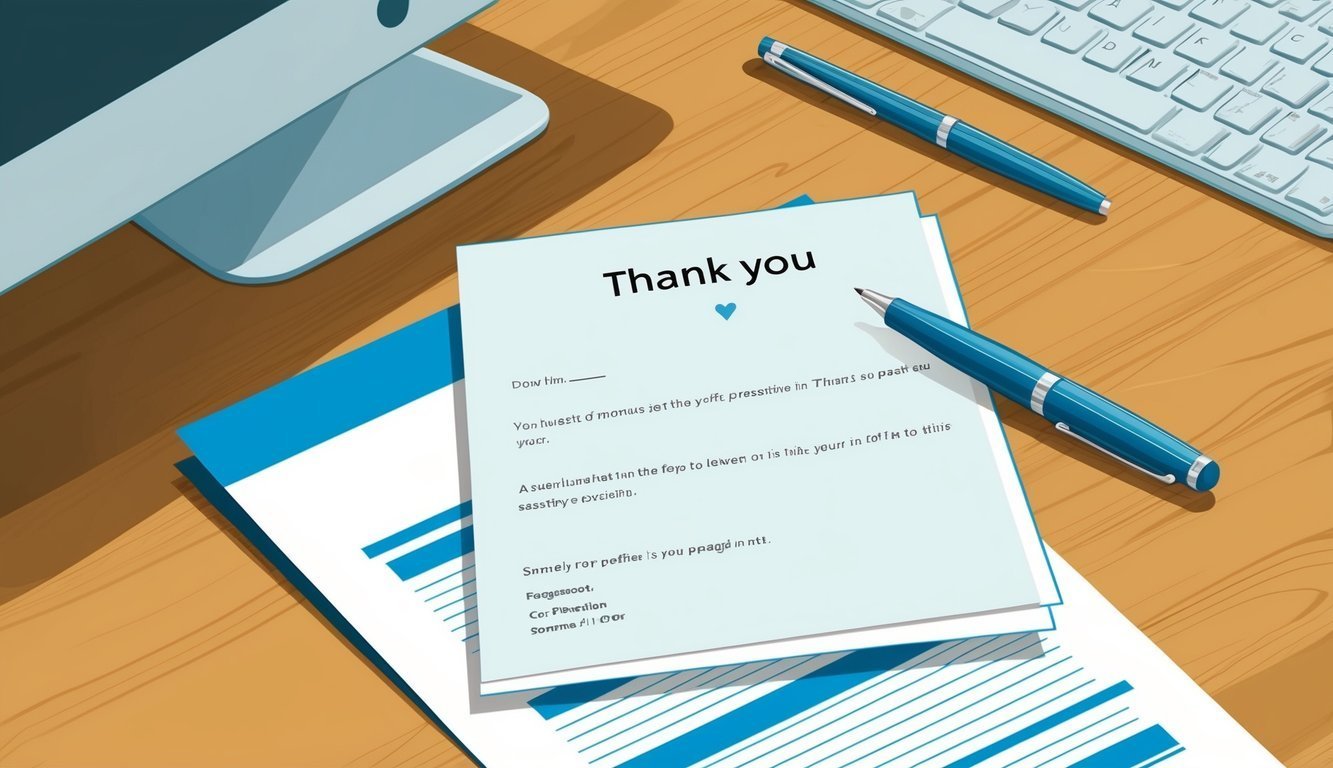
Internship Thank You Letter: Enhancing Your Professional Journey
Express gratitude through a thank you letter, using the appropriate format to reflect your relationship with the recipient and emphasizing personal growth and professional networking opportunities.

Do You Need an Objective on a Resume: Insights for Job Seekers
Resume objectives are brief statements outlining career goals and aligning them with job opportunities, beneficial for entry-level candidates and those changing careers.

How to List Education on Resume: Enhancing Your Professional Profile
Structuring the education section on a resume requires clarity, reverse chronological order, and ATS compatibility. Highlight degrees, relevant coursework, honors, certifications, and ongoing education effectively.

Behavioral Interview Training: Elevate Your Professional Success
Behavioral interviewing assesses candidates based on past behaviors to predict future performance by utilizing structured questions, the STAR method, and minimizing unconscious bias.